




From the 16th
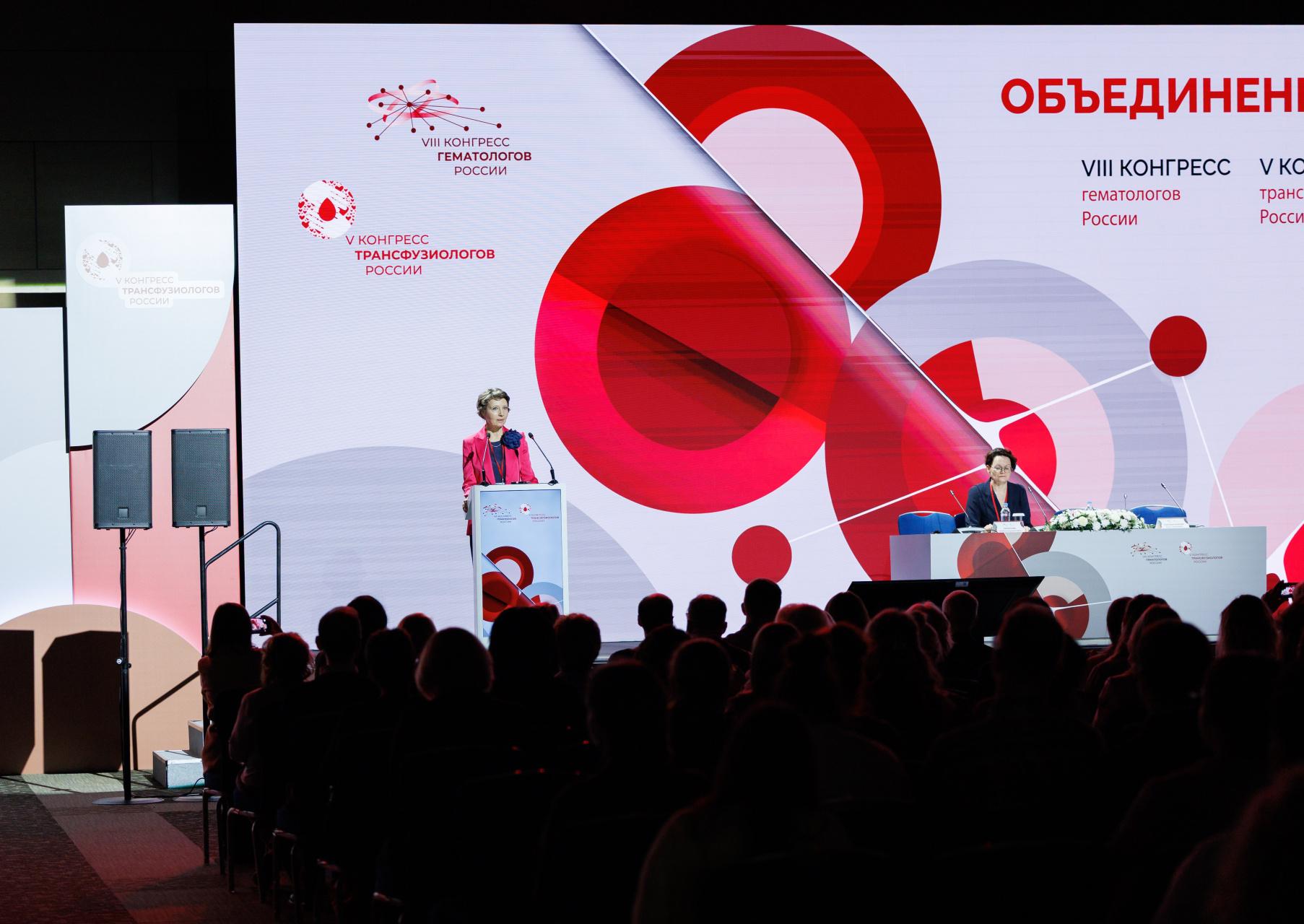
to the 18th of April, the Joint VIII Congress of Hematologists and V Congress of Transfusiologists of Russia took place at the Congress Center of the World Trade Center, bringing together over three thousand specialists from a dozen countries.
The event, which united leading scientists in the fields of hematology, transfusiology, cell therapy, intensive care, and related disciplines, has set the industry's development trajectory for years to come. The forum's key figures speak for themselves: 25 scientific sections, 11 educational lectures, nearly 700 submitted abstracts, and over 120 best papers presented by their authors from the podium.
At the Intersection of Science and Life
Experts focused on the full spectrum of strategies, from treating neoplastic and non-neoplastic blood disorders to molecular and genetic diagnostics. A significant milestone was the discussion of advanced CAR T-cell therapy methods and supportive care approaches, where innovation meets the practical experience of federal centers.
The day before the official start of the Congress, an Expert Council on “Myelodysplastic Neoplasms (MDS) in Russia. Achievements and Challenges in Diagnosis, Treatment, and Healthcare Organization”
was held.
On the first day, educational lectures were held with the support of pharmaceutical companies. The Congress program demonstrated the evolution of targeted therapy: from the treatment of chronic myeloid leukemia, lymphocytic leukemia, and paroxysmal nocturnal hemoglobinuria to new strategies for treating lymphomas, acute leukemias, AL amyloidosis, and multiple myeloma. A large number of sessions were devoted to the diagnosis and treatment of iron deficiency anemia, as well as expert approaches to managing patients with hemophilia and immune thrombocytopenic purpura.
A Bridge Between Generations and Countries
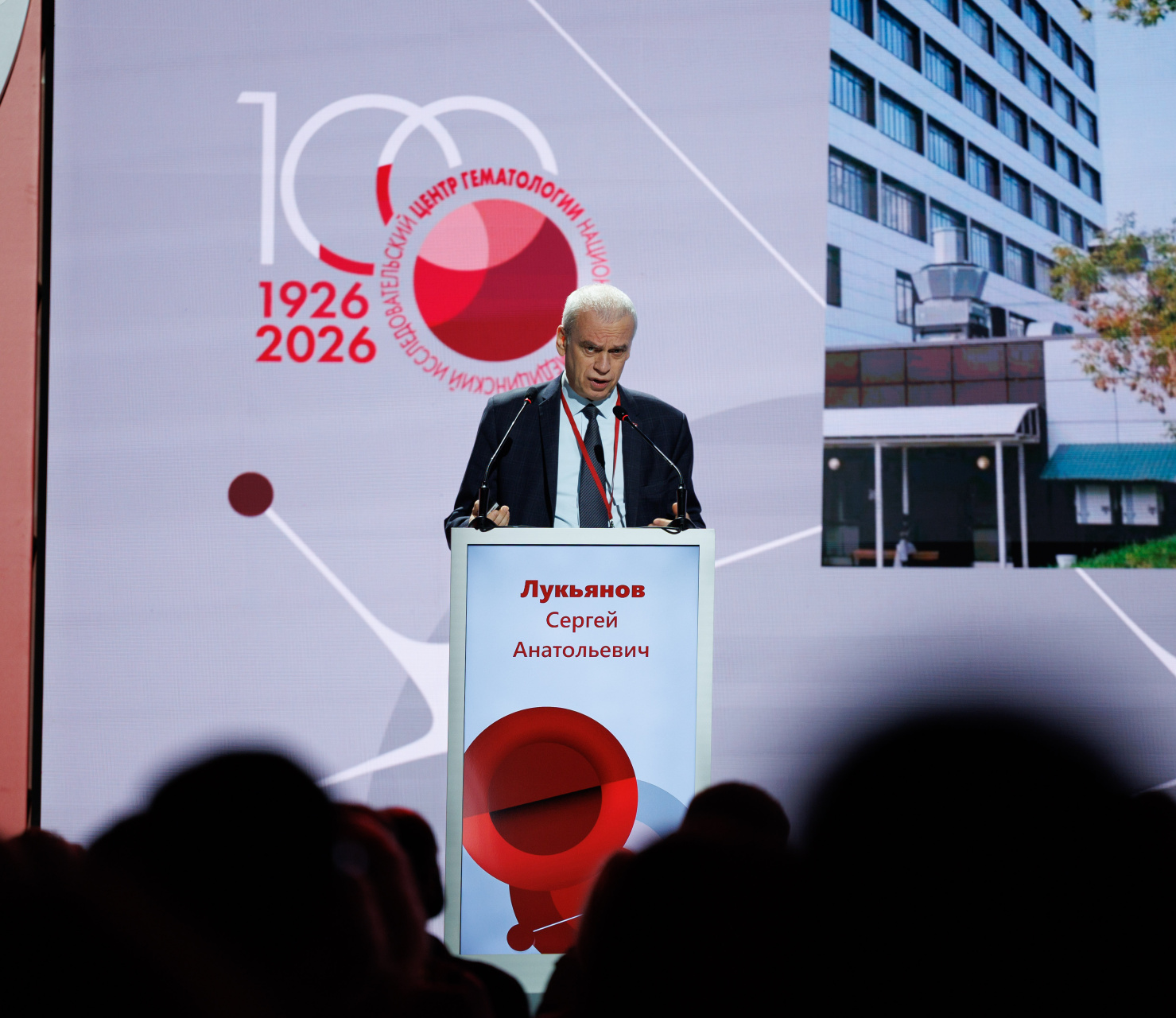
The official opening of the Congress, chaired by the chief freelance specialists Elena Nikolaevna Parovichnikova and Tatiana Vladimirovna Gaponova, set a high academic standard. The Congress's scientific program, “University Science,” brought together the voices of recognized authorities: Russian Academy of Sciences Academicians Sergey Lukyanov and Sergey Nedospasov spoke about fundamental science and its application in practical medicine.
At the plenary session “Innovative Technologies in Hematology,” professors from Nigeria, Vietnam, and India (Saleh Yaguda, Phu Chi Dung, Navin Khatri) shared a global perspective on the development of diagnostics and treatment for blood system diseases, bone marrow and hematopoietic stem cell transplantation, and transfusiology. Many attendees will remember the lecture by Professor Hagop Kantarjian from the MD Anderson Cancer Center in the USA, who spoke online on the topic: “Curing All (Most) Types of Leukemia Within the Next Decade.”
One of the Congress's main events was the signing of a historic agreement between the National Medical Research Center for Hematology and the Ho Chi Minh City Center of Hematology and Blood Transfusion. The first joint step will be the publication of a textbook on hematology and transplantation. “Any cooperation is a step forward. Truth is born in collaboration,” emphasized Elena Parovichnikova.
Focus on People and Healthcare Organization

Important organizational issues were discussed at meetings of the Profile Commissions in the specialties of “Hematology” and “Transfusiology.” For the first time, the Public Council of the CIS Basic Organization for Hematology was included in the program. In his address to Congress participants, CIS Secretary General Sergey Lebedev noted the special mission of the Center as a flagship of medicine across the entire post-Soviet space.
The voice of patient organizations was also heard at the Congress. Issues of social support, accessibility of care for hereditary coagulopathies, and the experience of leukemia foundations were discussed. Separate meetings of the Ministry of Health's profile commissions were devoted to physicians' occupational risks, optimization of outpatient care, and standardization of assistance. Interdisciplinary challenges were not overlooked. Sections on surgery and infections discussed how to save a patient not only from the disease but also from treatment complications.
“This Congress Will Become Part of History”
At the official closing, Elena Nikolaevna Parovichnikova, General Director of the National Medical Research Center for Hematology, drew a conclusion: the level of reports and clinical research presented at the forum has not merely grown—it marks the beginning of a new era.
“It is gratifying that in the centenary year, we have so many young scientists. We want to pass this Olympic flame, which our teachers passed on to us, into the hands of the young. This Congress will become part of history—a milestone from which we begin to chart our new development,” she stated.
These words became the leitmotif of the entire event. The 100-year journey of the National Medical Research Center for Hematology—from the world's first Institute of Blood Transfusion to the creation of its own CAR-T drug, from a laboratory idea to the registration of new molecules—represents that very connection between past and future upon which, like the three spheres in the Center's emblem, impeccable medical practice, education, and science rest.