




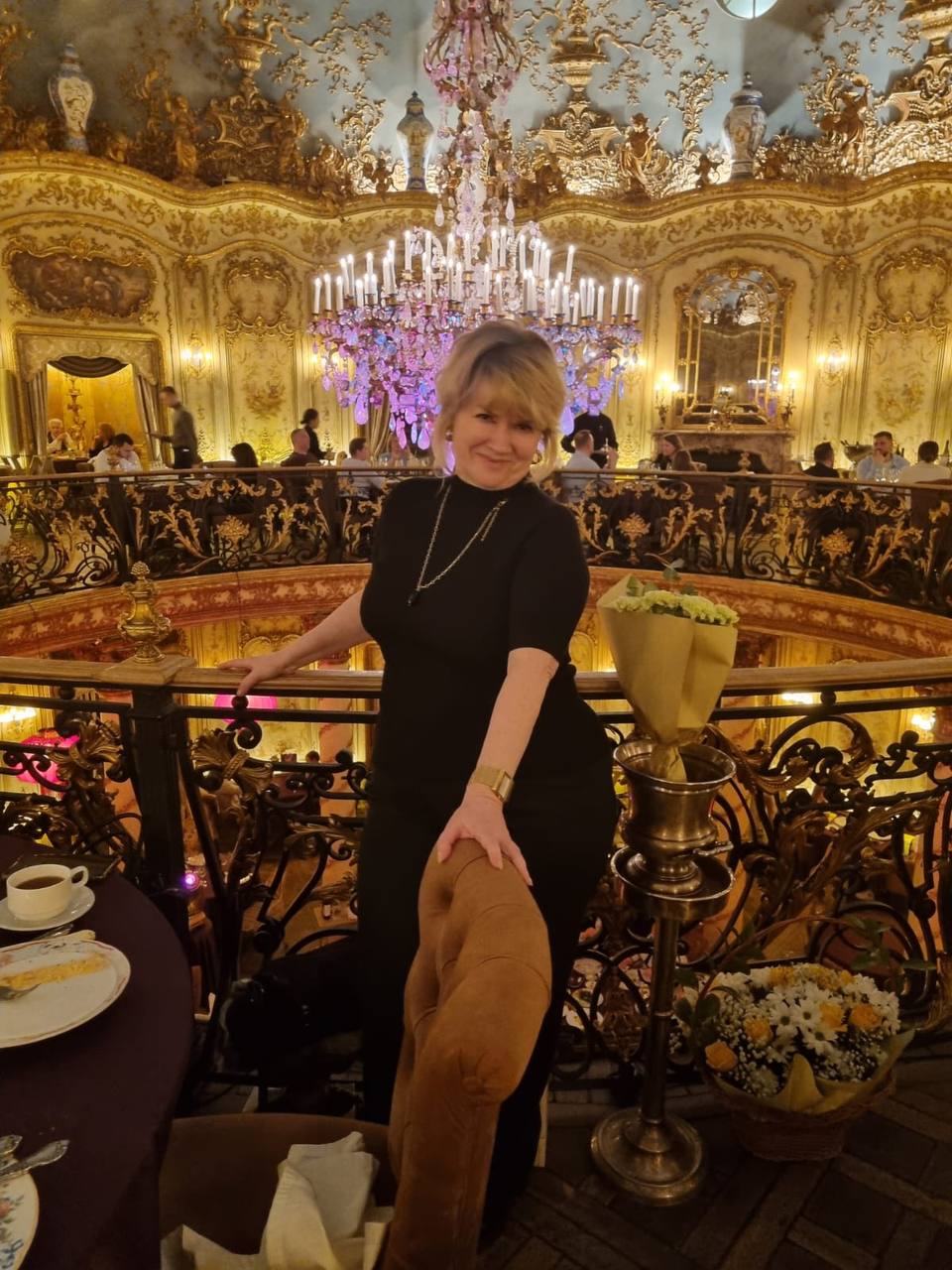
Twenty-two years ago, civil engineer Olga Zudilova was confronted with a diagnosis of lymphoma. Thanks to the help of doctors at the NMRC for Hematology, she not only overcame the illness, but continues to build her life—full and vibrant.
It all started with a pain in her left side. This simple symptom marked the beginning of a long ordeal. Olga saw dozens of doctors—surgeons, therapists—but everywhere she heard the same thing: “We can't determine anything.” After a gastroscopy, she heard the frightening words “looks like cancer” for the first time, but what kind remained a mystery. Together with her mother, they visited every medical facility, but everywhere doctors just threw up their hands. It seemed like a brick wall.
“At some point, we got through to the head doctor of Hospital No. 62. We brought with us the slides (histological samples) that were given to me when I was still in Medical Unit No. 47, where I had the gastroscopy and biopsy, but they couldn't make a diagnosis,” says Olga Zudilova. “At No. 62, they introduced us to Daniil Lvovich Stroiakovsky, head of the chemotherapy department. To his credit, he looked at them right away and said, “This isn't my area of expertise. But there is a doctor who literally just defended his thesis on this topic.””
That person turned out to be a young hematologist, Evgeny Evgenievich Zvonkov. Olga Olegovna came to see him for a consultation at the Hematology Research Center (now the NMRC for Hematology of the Russian Ministry of Health).
“Evgeny Evgenievich was probably around thirty. He looked at the slides and said that the presumptive diagnosis was B-cell lymphoma. And when the urgent repeat tests (performed cito) confirmed it, he said: ‘This is urgent, you need to be admitted urgently.’ And I was hospitalized. I was also examined by Andrey Ivanovich Vorobyov.”
At that moment, Olga, who was only 34 and didn't think about the worst. This inner confidence became her main weapon.
“My husband later said that everyone was surprised. Maybe because I was young and carefree, but I didn't think about death at all. Not at all! It seemed to me that I would get better anyway. Of course, when I was admitted it was tough: I had a trephine biopsy and a catheter installed—all in one day. I tolerated chemotherapy well. There were no severe side effects, my platelets didn't drop, and my hemoglobin was normal.”
Later, Olga found out that the treatment was, in a way, an experiment.
“I found out that Evgeny Evgenievich was a bit nervous. It turned out I was one of the first to receive chemotherapy according to a multi-block regimen (first block, second, etc.). First two blocks, then a break, then two more. Before me, Evgeny Evgenievich had a sad experience, and he even didn't want to treat with blocks for a while. But the regimen worked for me. I still have the notebook where everything is written down: which blocks, which drugs. I could practically treat myself using it now! I remember how the nurses would come to me, I'd tell them jokes and we'd laugh. I was in a separate unit, the nurses were very good. Of course, now 22 years have passed, there's no one left from the old team. But back then they would say: ‘Olga, we retell your jokes to each other!’”
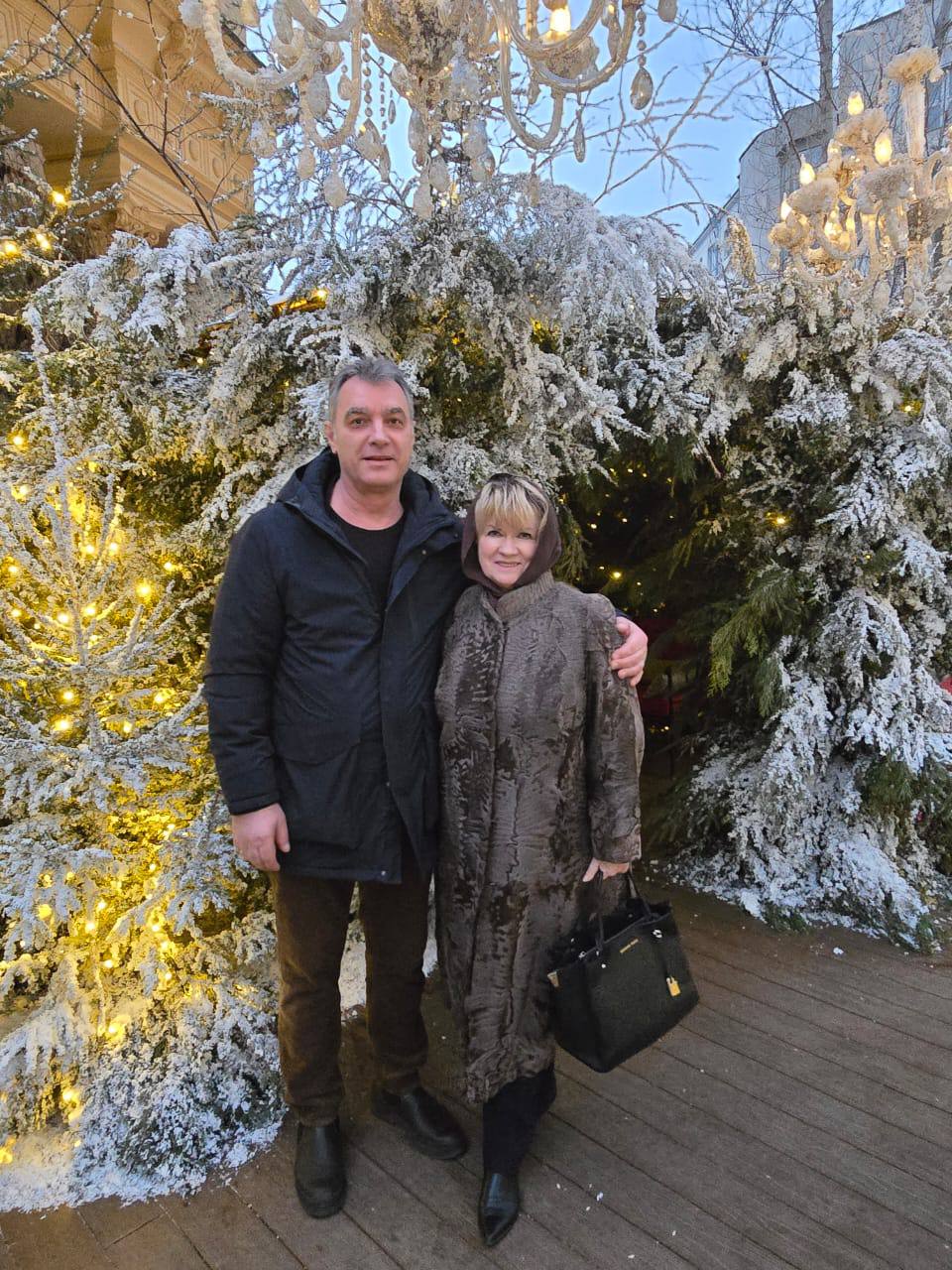
Now, looking back, Olga understands that besides medicine, several important things saved her.
First- a positive attitude
“I want to tell patients that recovering from this disease is entirely possible. But you absolutely have to believe in it very strongly. With faith, you can overcome a lot. You need to always keep a positive attitude and not give in to despair.”
Second- trust in your doctor
“The most crucial thing is your doctor. Whatever he says is how it should be. He both supports and guides you.”
Third- the support of loved ones
“Everyone supported me: my parents, my husband, my child, colleagues from work. There was never a moment when anyone turned away. There was no feeling of loneliness or alienation.”
And so, 22 years have passed...
“After an illness, a reassessment of values happens. I won't speak in clichés, but you understand that the most important thing is health. Everything else is nonsense. The same work... It seems to me that in anyone's life, the fundamentals are health and family. Everything else will follow if you are healthy and work will “stick” to you.”
Olga Zudilova's story is not just a medical case. It is proof that even in the most difficult situation, it is important to look for a way out, trust specialists, surround yourself with loving people, and, most importantly, never give up. Because life is the most precious thing we have.