




- About
About
- Patients
- Home
- Science
- Scientific and Practical Events
- Schedule of Scientific and Practical Events for 2016
- III Congress of Hematologists of Russia, 2016
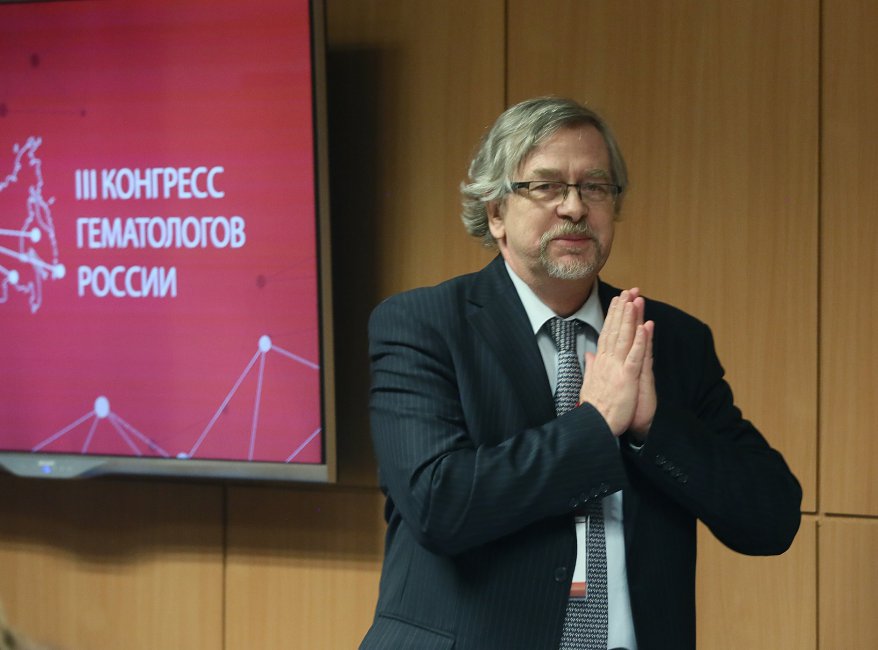
III Congress of Hematologists of Russia, 2016
Congress-
 14 - 16 April 2016
 -
 The Congress Park of the hotel "Ukraine" (Kutuzovsky Prospekt, 2/1, building 1)
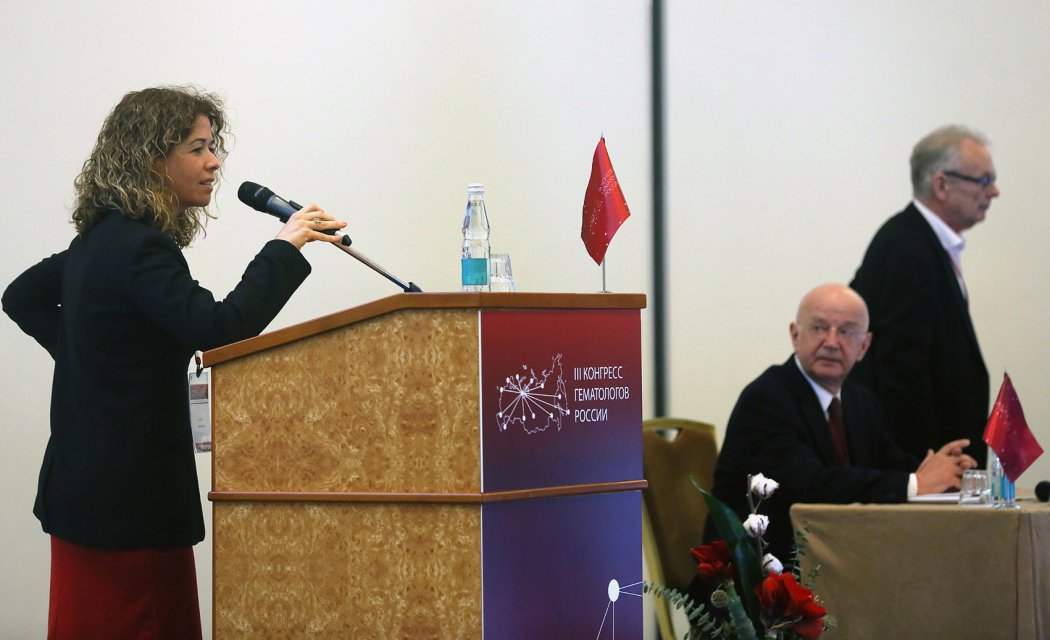
The III Congress of Hematologists of Russia is devoted to highlighting new technologies in medical science and improving the level and quality of fundamental and applied research. The aim is to introduce results based on these goals that ensure the quality, reproducibility and accessibility of specialized hematology care to the population of the country as well as fostering the motivation and potential of scientific personnel. The Congress will be attended by leading Russian and foreign scientists in the fields of hematology and bone marrow transplantation, specialists in the field of hematological intensive care and clinical microbiology, pathological morphology and clinical transfusiology.
Dates: 4-16 April 2016
Organizers:
-
Ministry of Health of the Russian Federation;
-
"Hematology Research Center" of the Ministry of Health of the Russian Federation;
-
Federal Scientific and Clinical Center of Pediatric Hematology, Oncology and Immunology named after Dmitry Rogachev of the Ministry of Health of the Russian Federation;
-
The National Hematology Society;
-
Russian Society of Hematologists.
Venue: Congress Park of the Hotel Ukraine (Kutuzovsky Prospekt, 2/1, building 1).
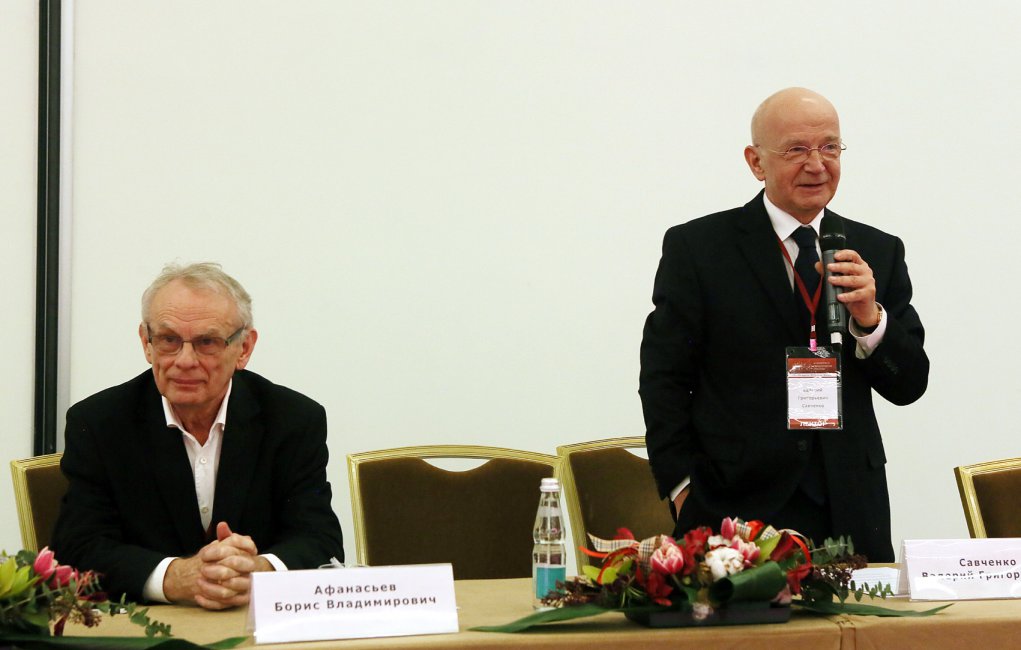
Chairman: Valeriy G. Savchenko — General Director of the Federal State Budgetary Institution "Hematology Research Center" of the Ministry of Health of the Russian Federation, Academician of the Russian Academy of Sciences, Professor, Doctor of Medical Sciences
Meeting topics:
Plenary and breakout sessions, educational lectures, a poster session, expert advice, and seminars on promising and priority areas of hematology are planned:
-
acute leukemia and bone marrow transplantation in children and adults;
-
bone marrow transplantation — biological aspects;
-
myelodysplastic syndromes and hematopoiesis depression in children and adults; myeloproliferative diseases in children and adults;
-
mature cell lymphomas;
-
aggressive lymphomas in children and adults;
-
paraproteinemic hemoblastoses;
-
disorders of coagulation hemostasis in children and adults;
-
intensive care in children and adults;
-
microbiology and therapy of infectious complications in children and adults;
-
clinical transfusiology;
-
fundamental research in hematology;
-
clinical epidemiology in hematology and transfusiology, registers;
-
pathomorphology;
-
hereditary metabolic disorders.
The event program, registration, and submission of abstracts are available on the Congress website.
Video recordings of the III Congress of Hematologists
First day program
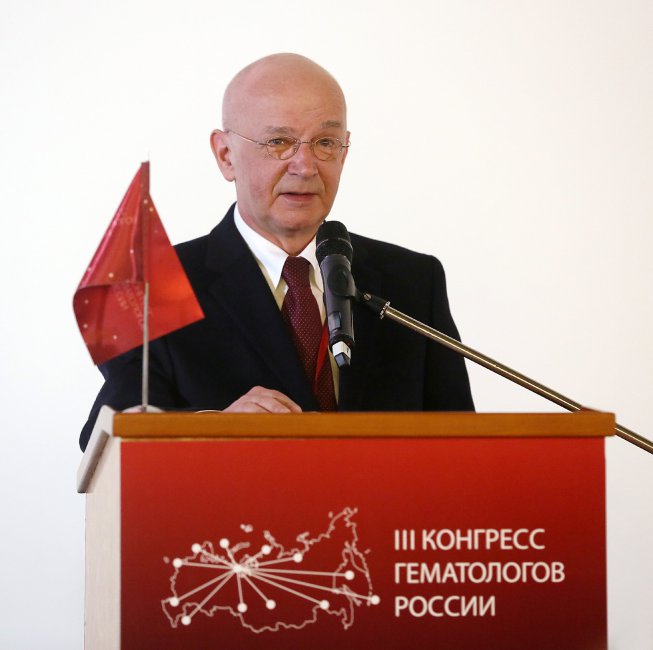
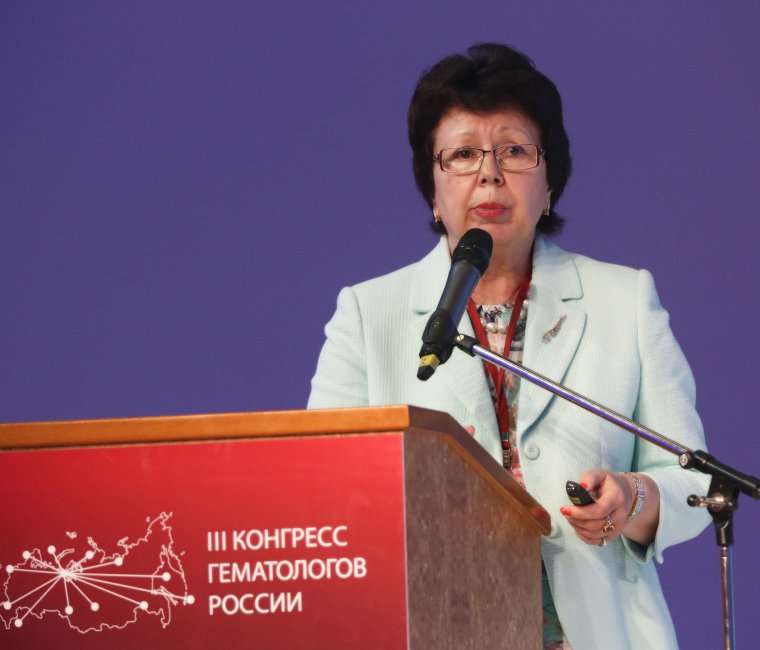
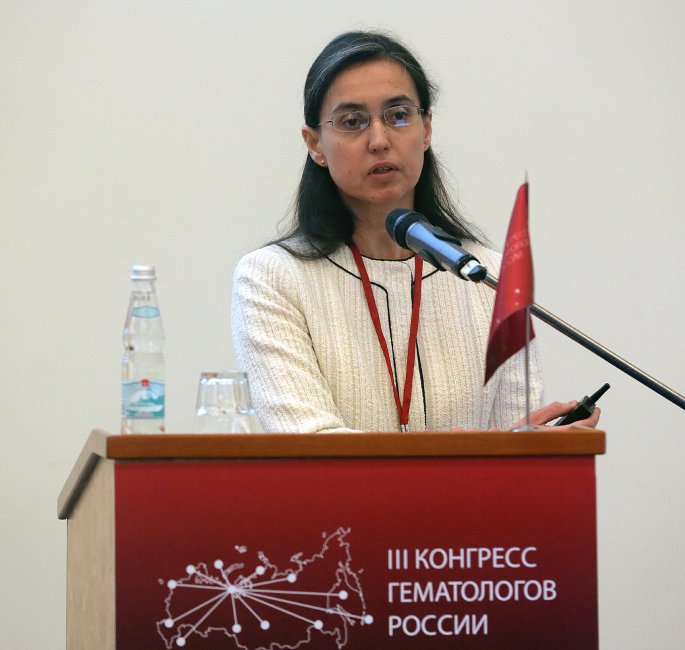
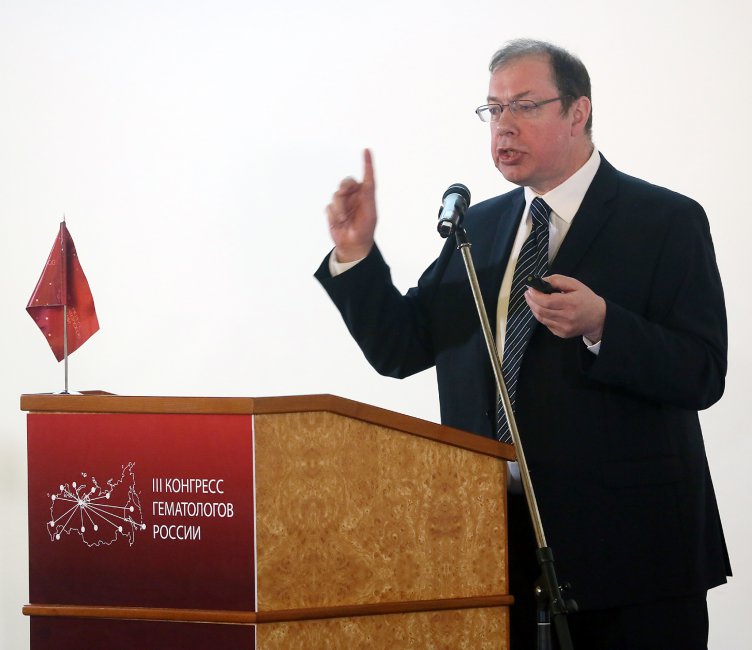
Reports: V.G. Savchenko, A.A. Maschan, I.V. Poddubnaya
Second day program
Part I
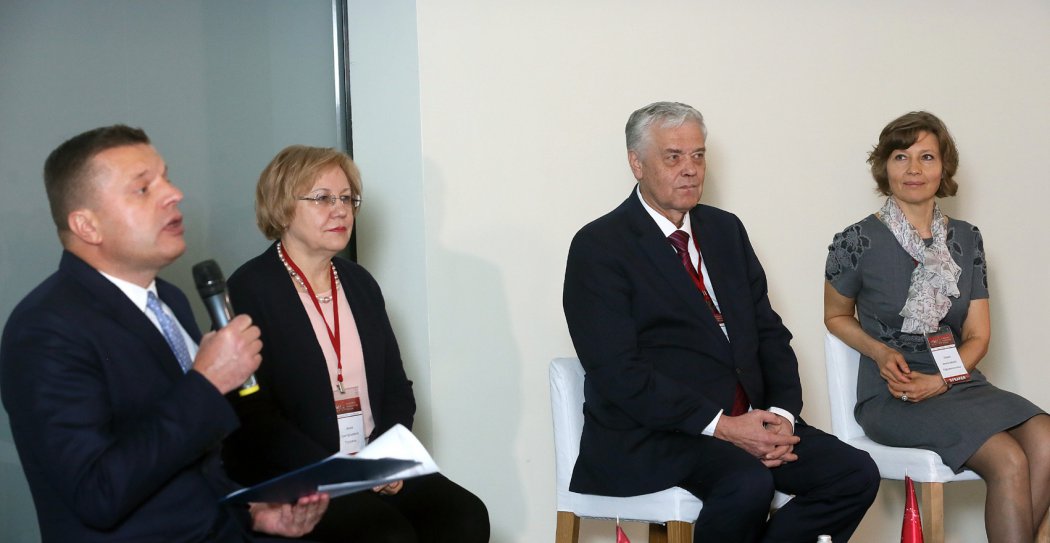
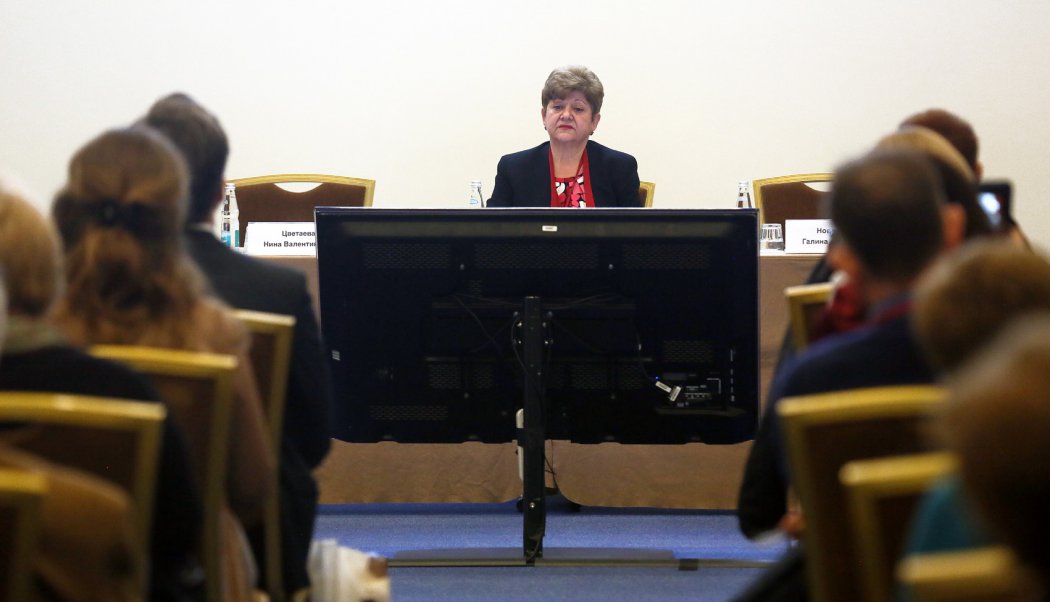
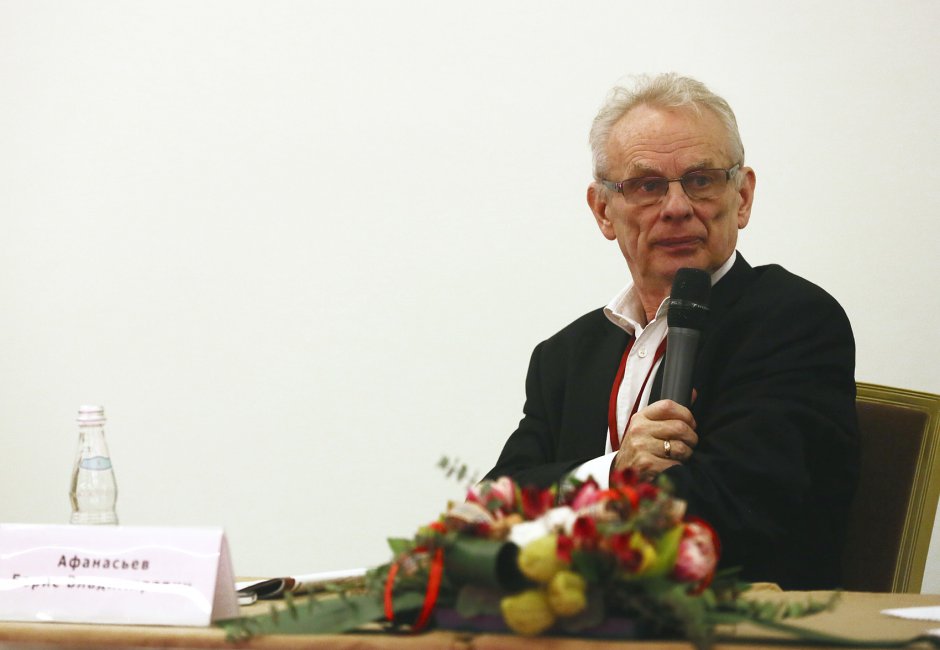
Plenary session: EHA—RSH—ROHS Carol Moreno, Norbert Schmitz, B. Afanasyev, V. Savchenko
Breakout session: Lymphoproliferative diseases
Part II
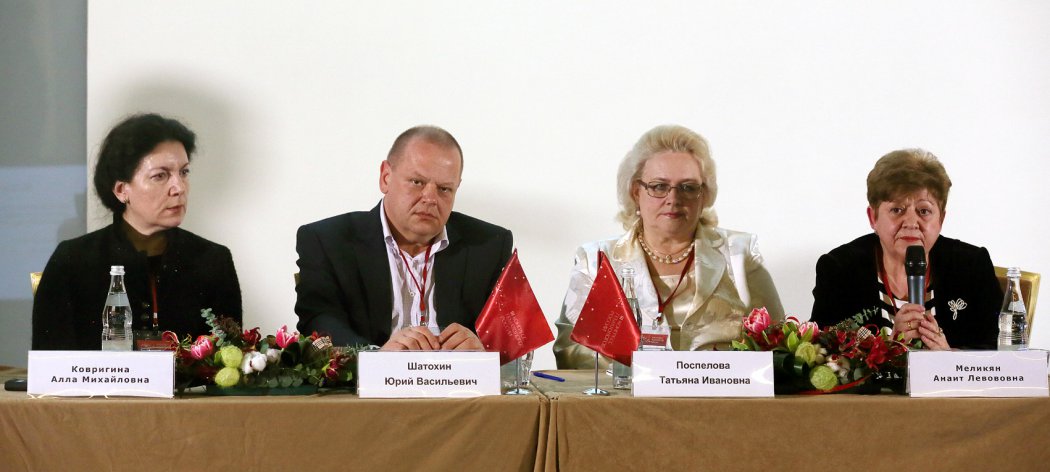
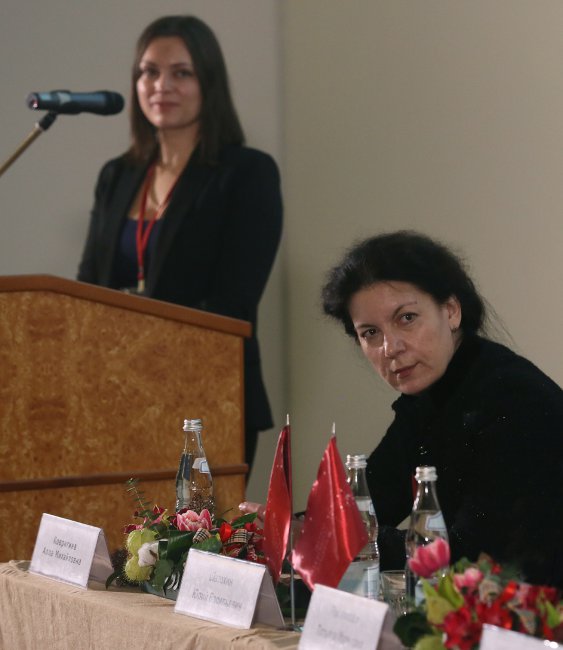
Meeting with expert H. Kreipe; Moderator: A.M. Kovrigina
The main topics discussed at the III Congress of Hematologists
- Modern diagnosis, monitoring and differential treatment of acute and chronic leukemia in adults and children, based on data from prospective clinical studies and studied molecular genetic, cellular and morphological mechanisms of leukemogenesis. Practical implementation of the concept of ensuring transfusiological safety of hematological patients.
- Fundamental research and the scientific and practical significance (applied value) of the study of new methods for the prevention of immunological and infectious complications during transplantation of hematopoietic stem cells of bone marrow and peripheral blood in adults and children. National Registry of Bone Marrow Donors, problems and prospects. The search for new molecular "targets" in order to create new targeted drugs.
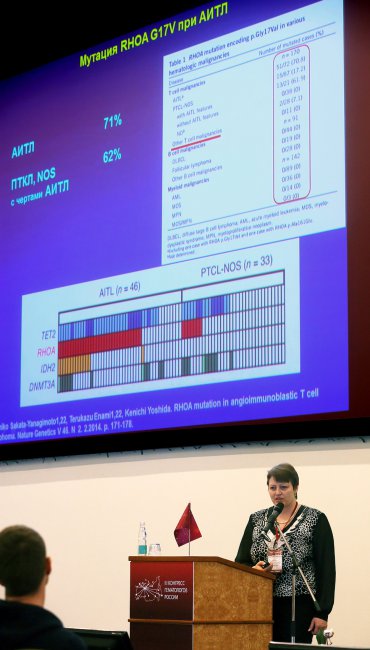
- Modern differential pathogenetic diagnosis of lymphoproliferative and myeloproliferative diseases of the blood system, taking into account new criteria for molecular diagnosis in the 2016 edition of the WHO classification of tumors of hematopoietic and lymphoid tissues.
- Modern tactics of treatment of patients with paroxysmal nocturnal hemoglobinuria (PNH), pregnancy management in patients with PNH and algorithms for the use of inhibitors of the activation of the compliment system in patients with PNH within the framework of the considered National Clinical Recommendations.
- Features of the course, diagnosis and treatment of various forms of bone marrow aplasia (aplastic anemia with PNH clone, hypoplastic variants of myelodysplastic syndromes, congenital syndromes of bone marrow insufficiency) in adults and children.
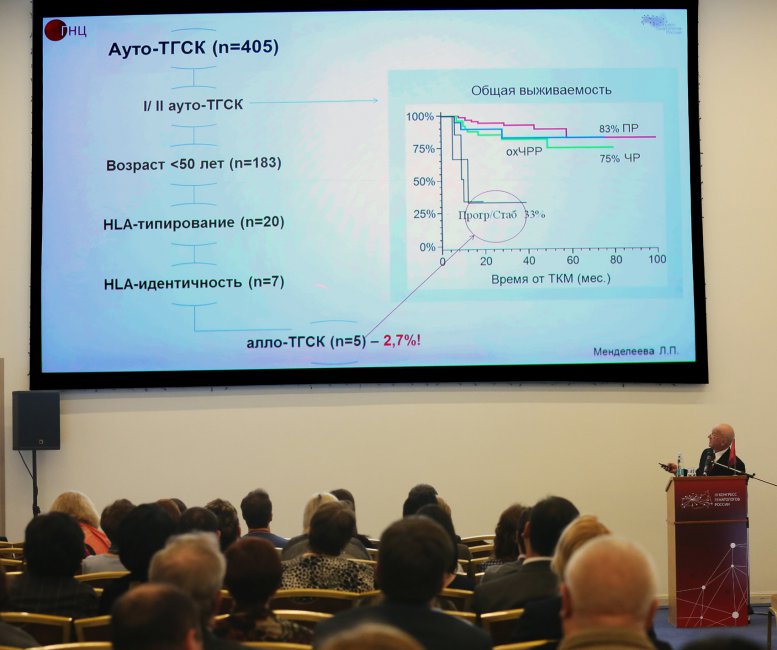
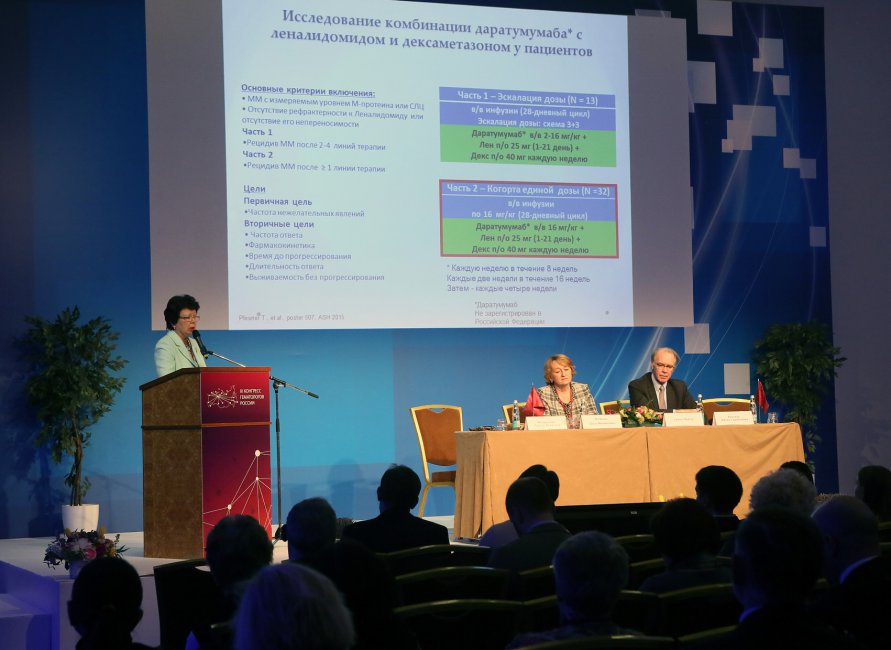
- Modern diagnosis and treatment of multiple myeloma based on molecular biological research and imaging technologies, intensive high-dose programs using the latest drugs and bone marrow transplantation. The role and place of autologous bone marrow transplantation in the treatment of multiple myeloma and lymphoma.
- New technologies for the diagnosis and treatment of disorders of the blood coagulation system. Algorithms for personalized therapy of patients with hemophilia, Willebrand's disease, and hypercoagulation disorders based on the use of integrated hemostasis tests. Standardization of quality control of hemostatic and anticoagulant therapy of hereditary and acquired coagulopathies. Modern assessment of fibrinolytic reactions during pregnancy in order to prevent increased thrombosis and reduce the risk of miscarriage. Modern aspects of thrombosis therapy in children.
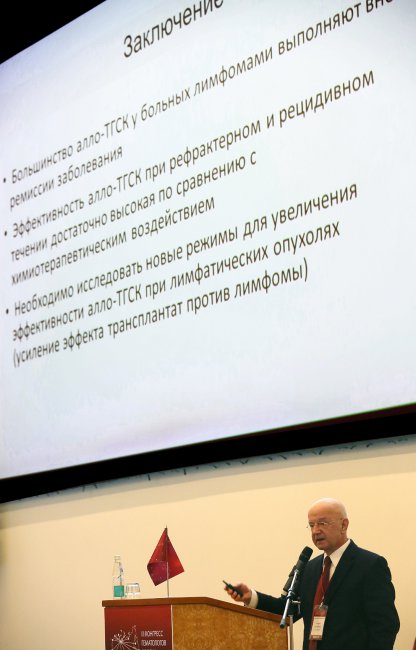
- New therapeutic approaches for the treatment of aggressive and indolent lymphomas and other lymphoproliferative diseases, including in patients with geriatric syndromes and comorbidity.
- Morphological and molecular genetic diagnostics of Ph-negative myeloproliferative diseases with the choice of optimal practical solutions for modern therapy, taking into account the accumulated data of clinical studies.
- Algorithms for differential diagnosis, evaluation of functional characteristics of platelets in immune thrombocytopenia in adults and children, the effectiveness and safety of the use of thrombopoietin receptor agonists in the treatment of primary immune thrombocytopenia.
- Modern microbiology and therapy of infectious complications in adults and children with impaired immunity.
- New approaches to the diagnosis of orphan metabolic diseases (Gaucher disease, Fabry disease), hereditary and acquired autoimmune hemolytic anemia and modern possibilities in their treatment.
- Population and epidemiological studies in hematology. Registers (national, regional, multi- and monozological) as basic tools of clinical and epidemiological research. Principles and methods of practical organization of epidemiological data collection. Problems of identification and monitoring of target populations.
- Consolidation and integration of Russian specialized professional communities with international hematology associations (European Hematology Association, EHA).
Report on the III Congress of Hematologists
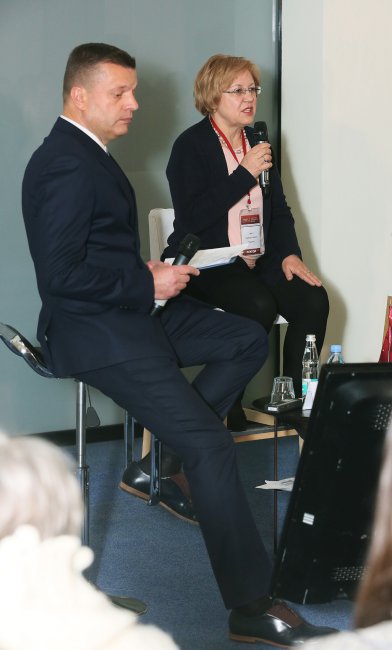
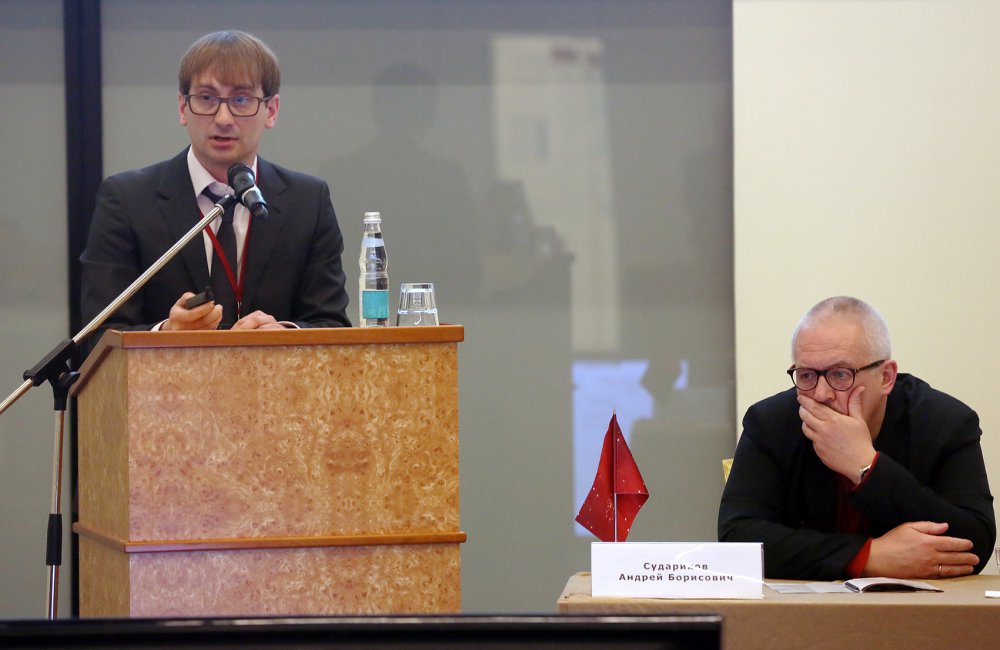
The scientific program of the Congress, which contained a list of issues planned for consideration and discussion, was fully implemented.
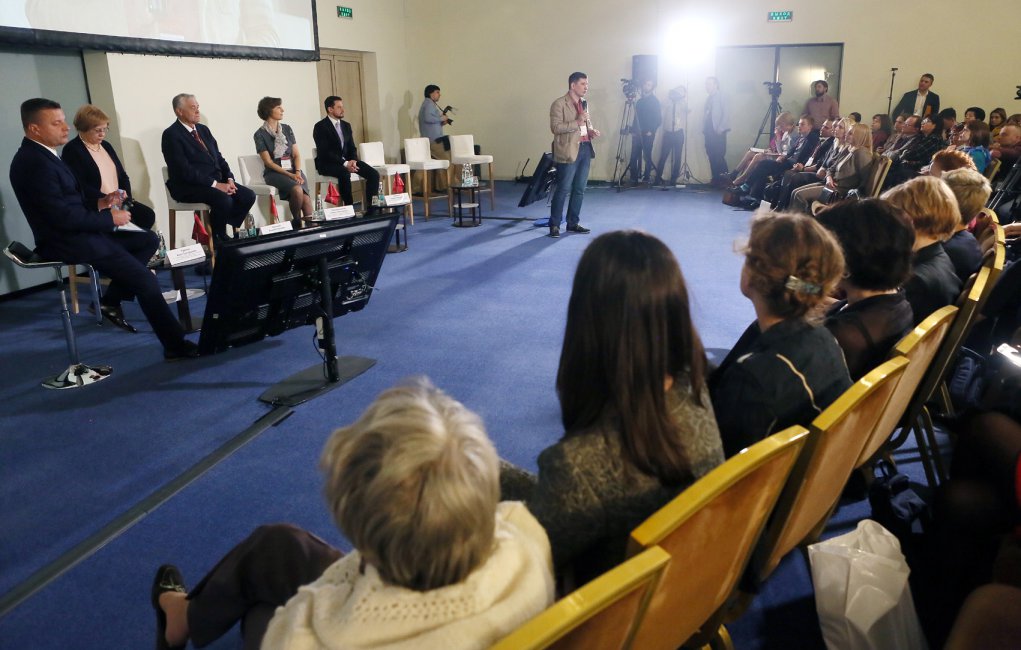
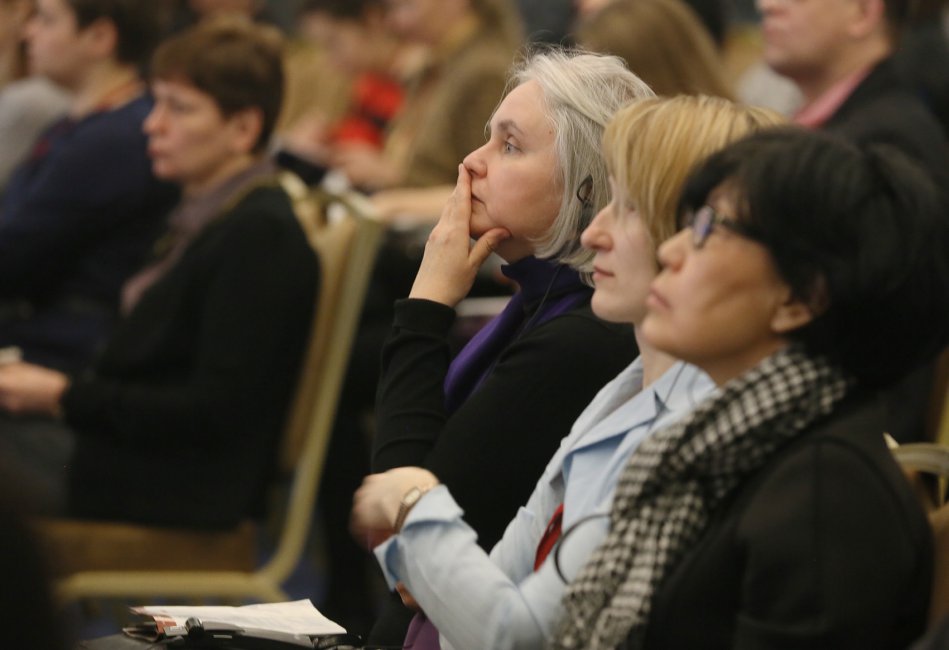
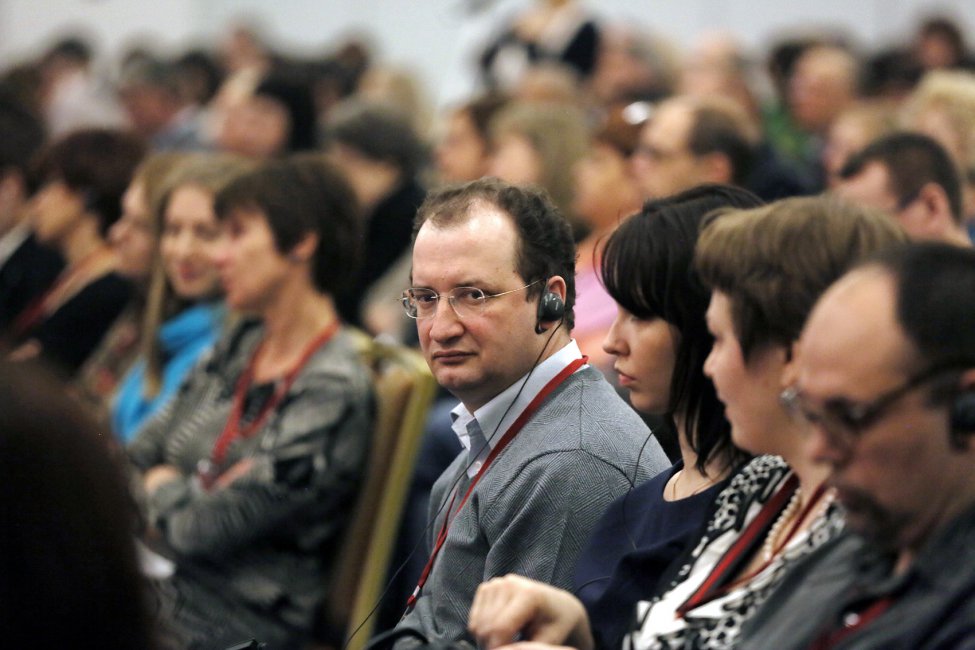
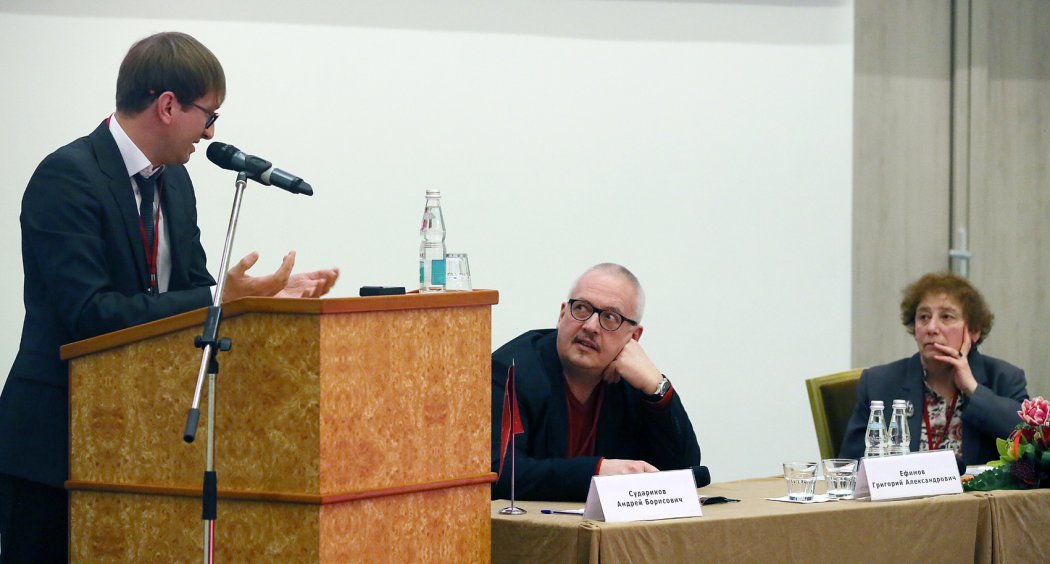
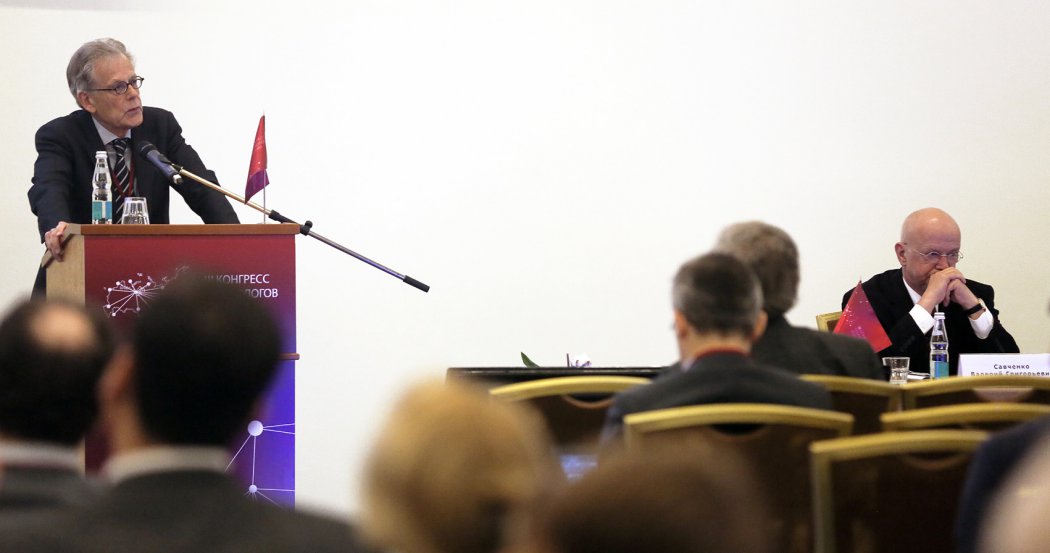
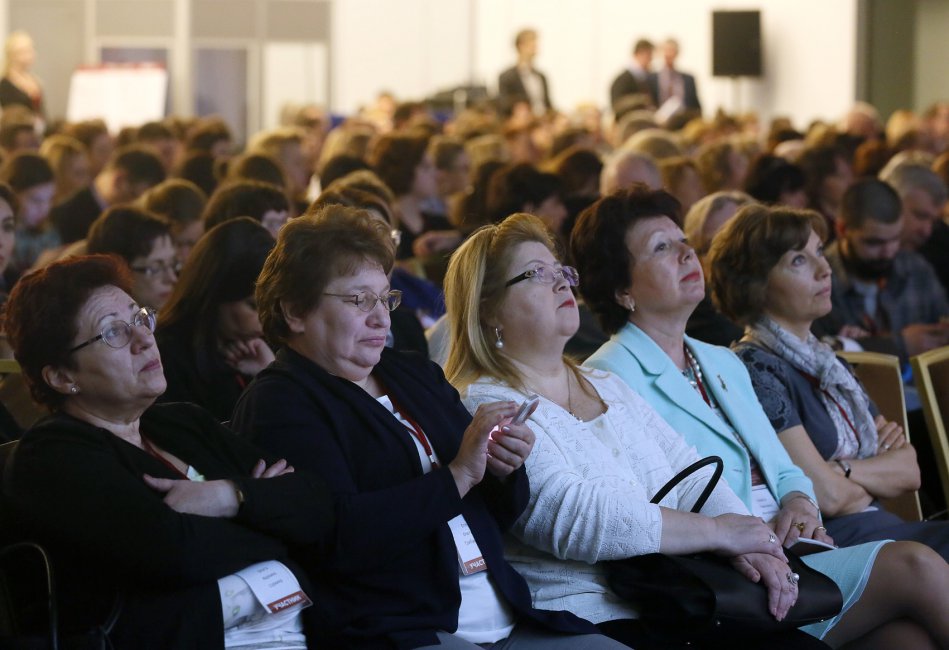
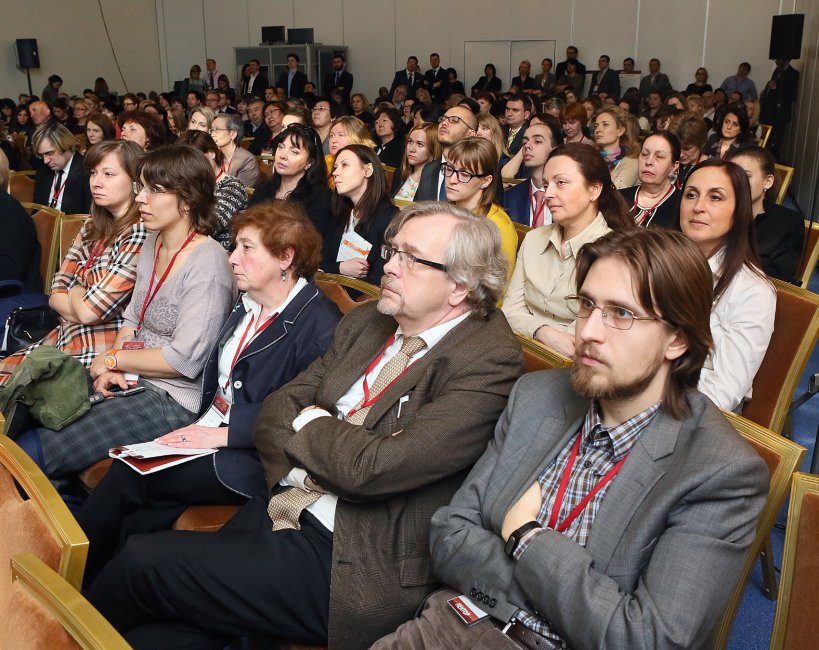
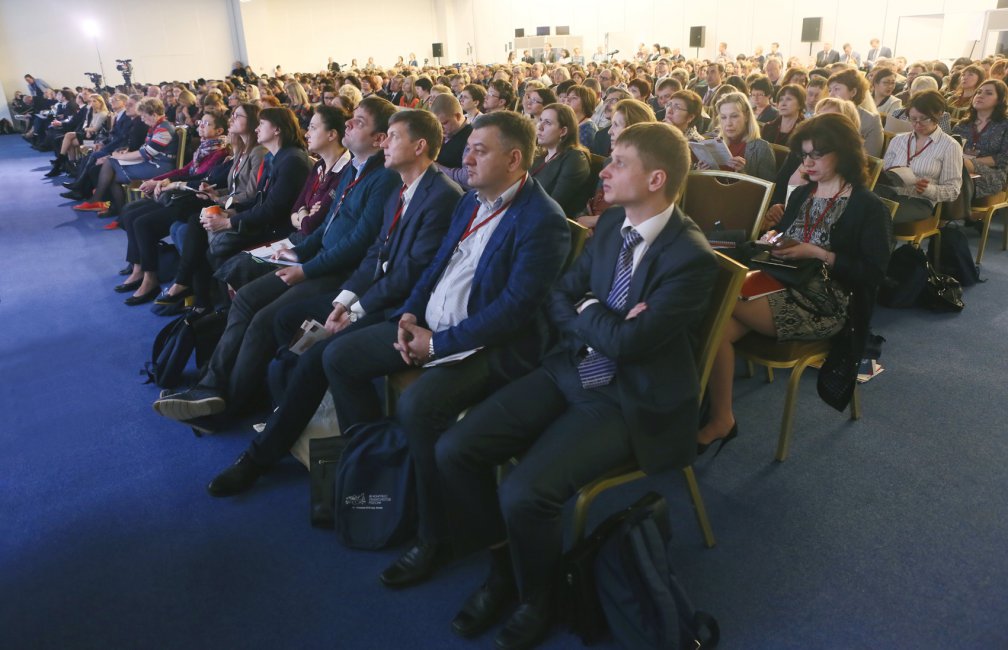
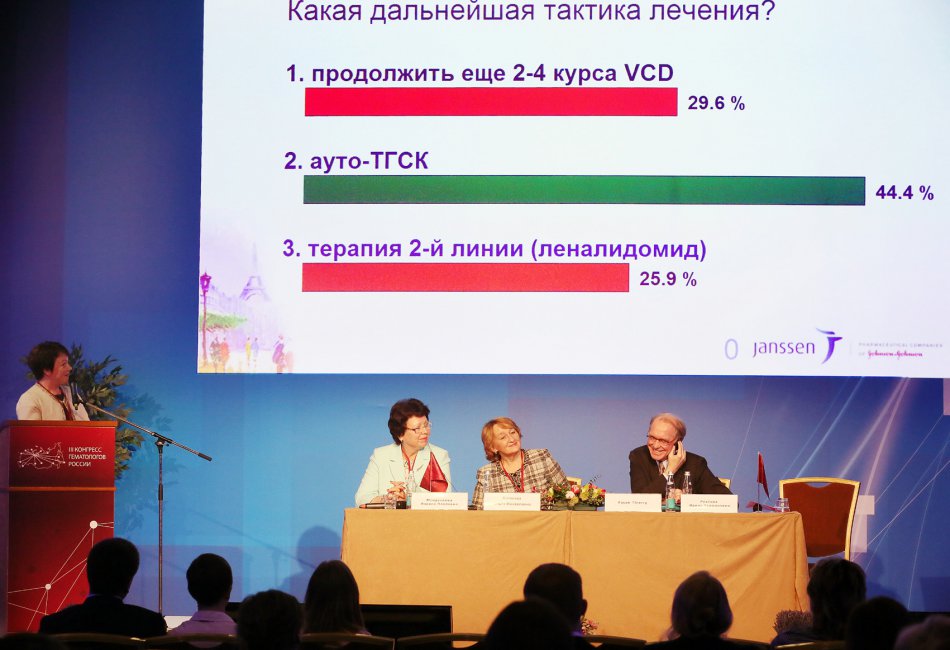
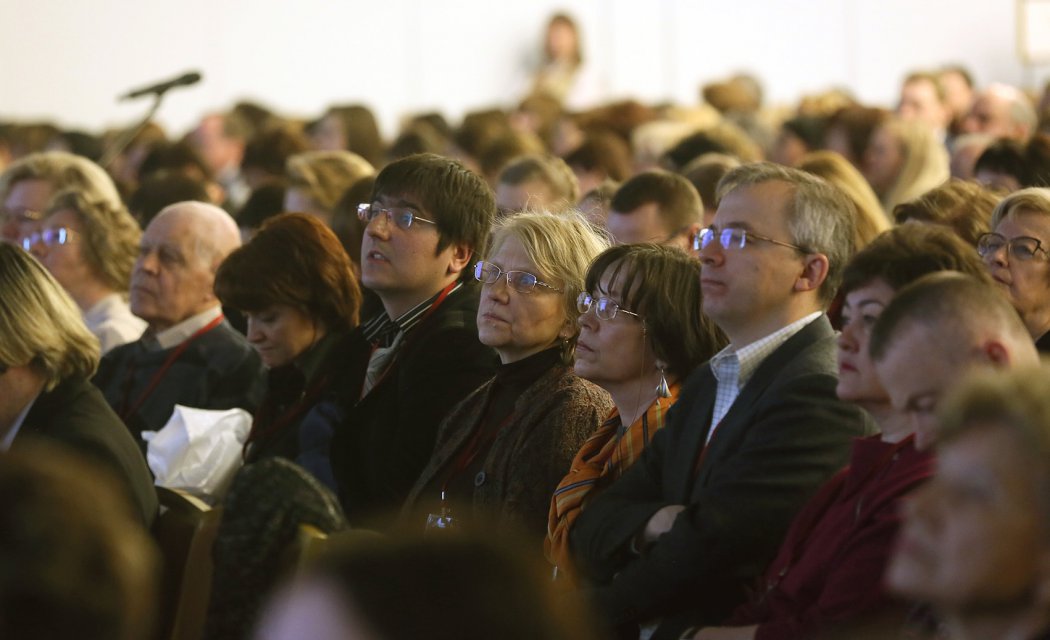
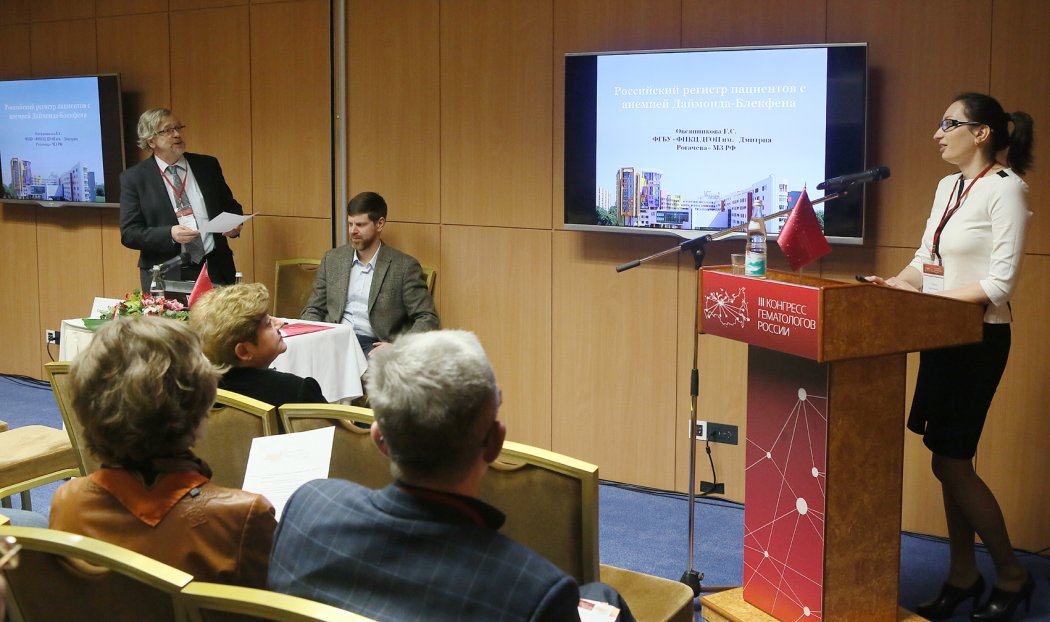
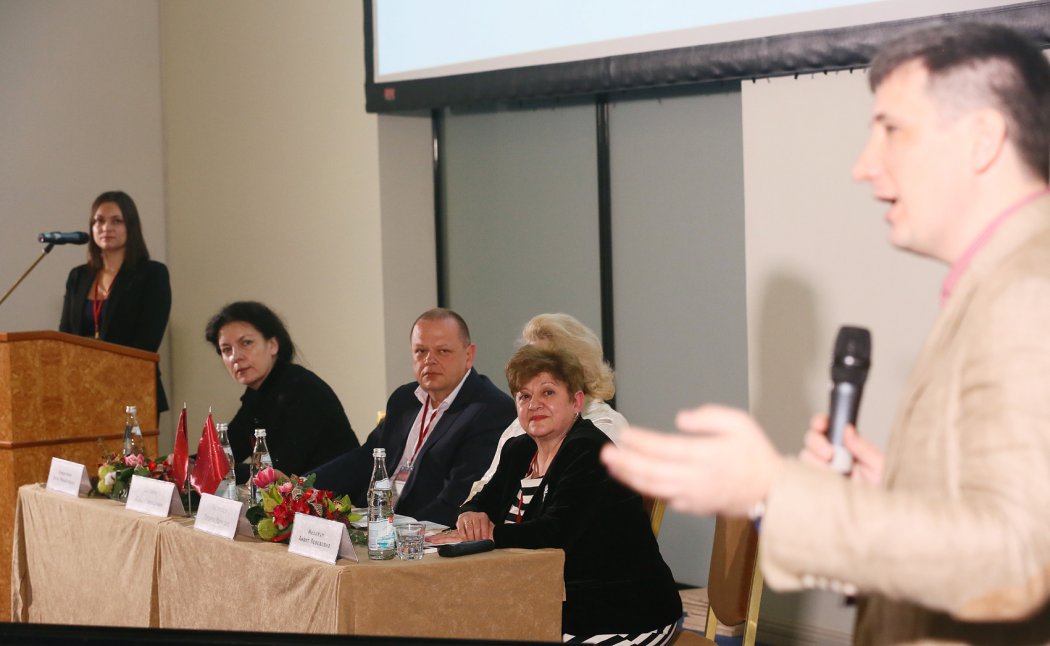
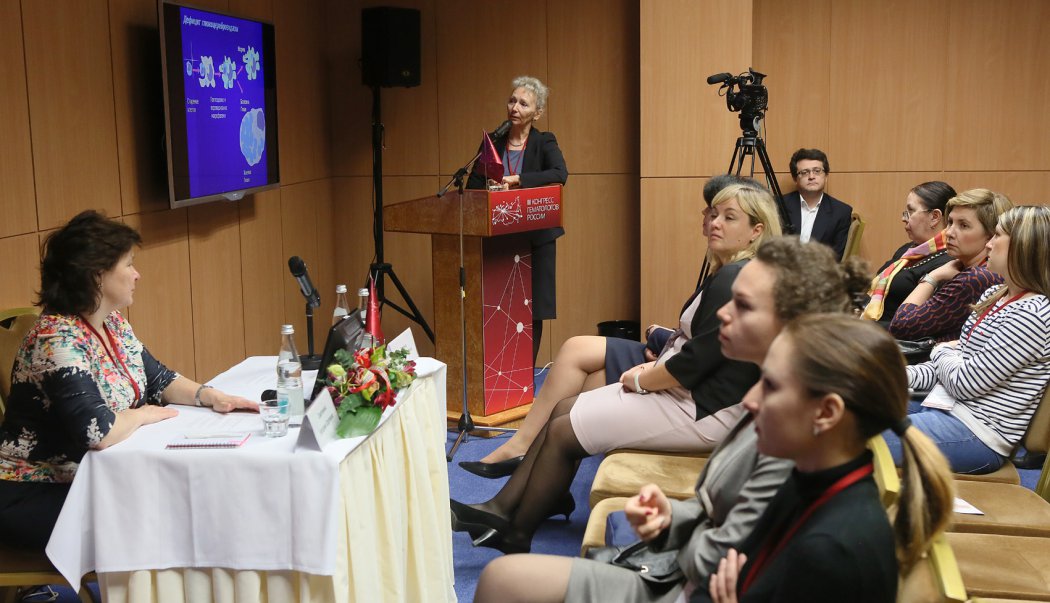
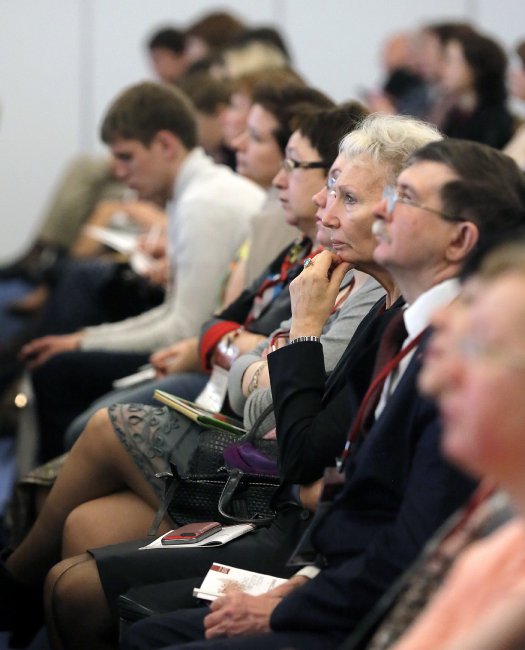
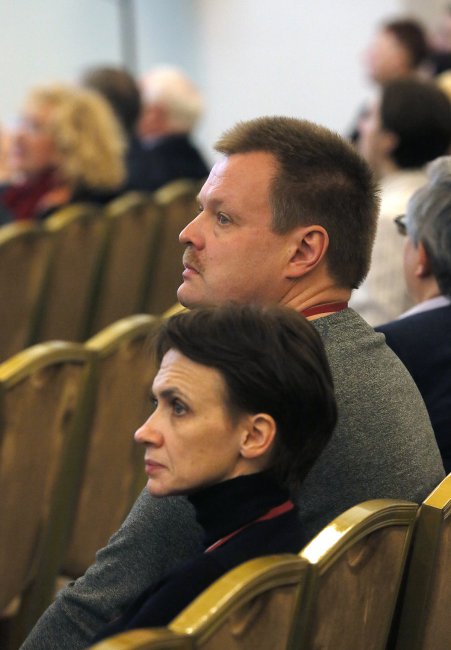
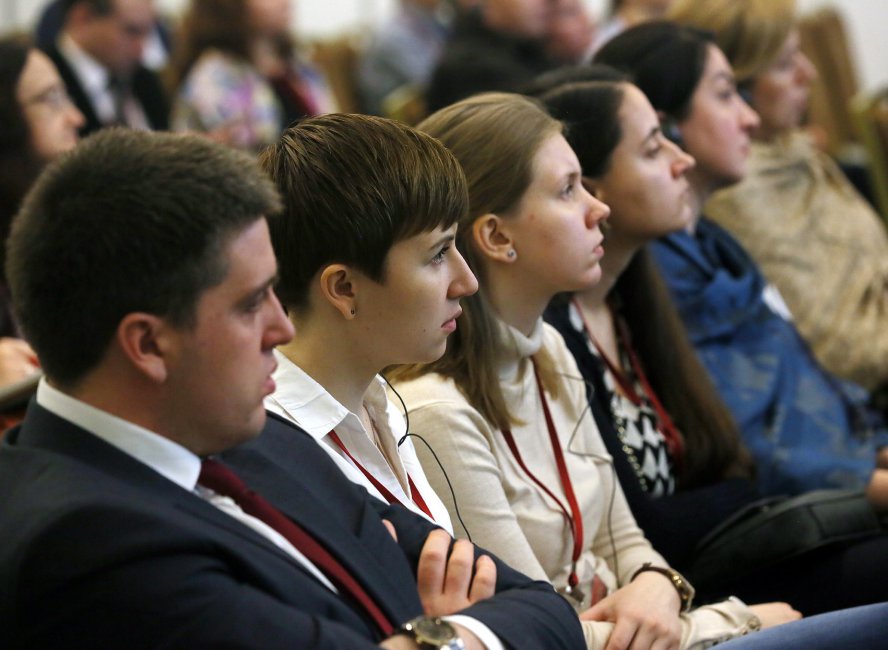
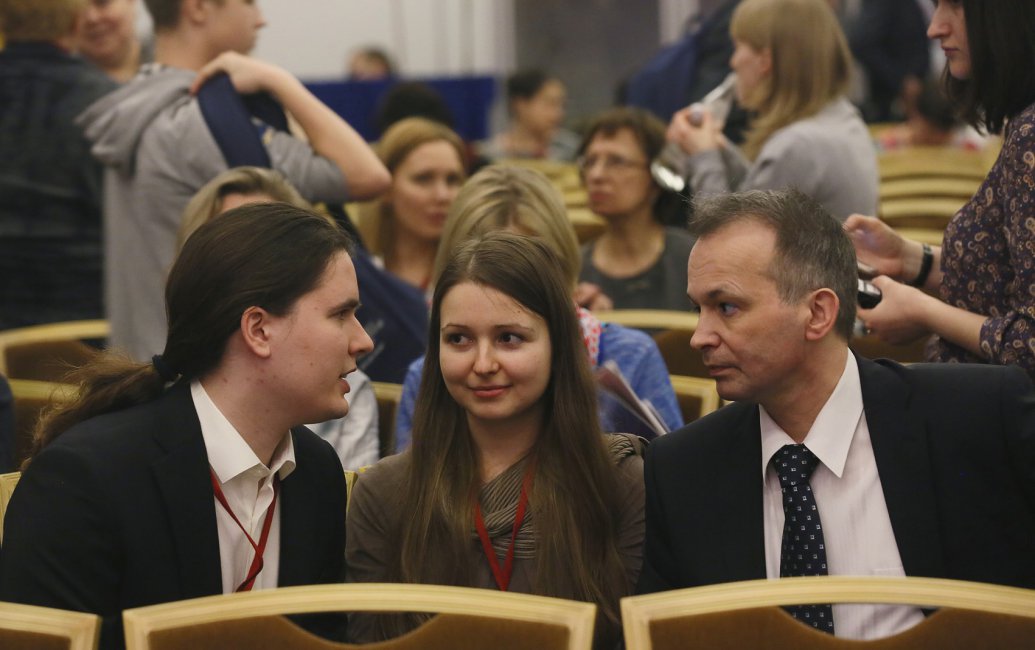
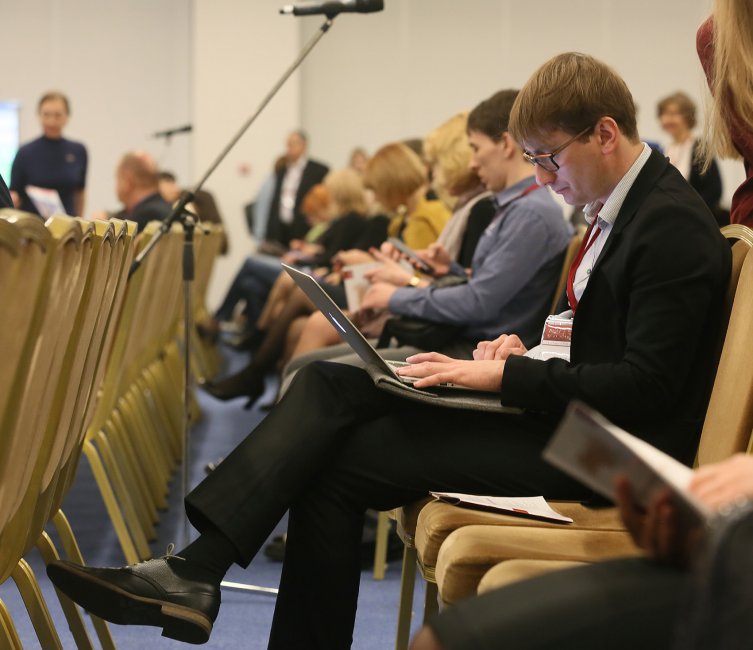
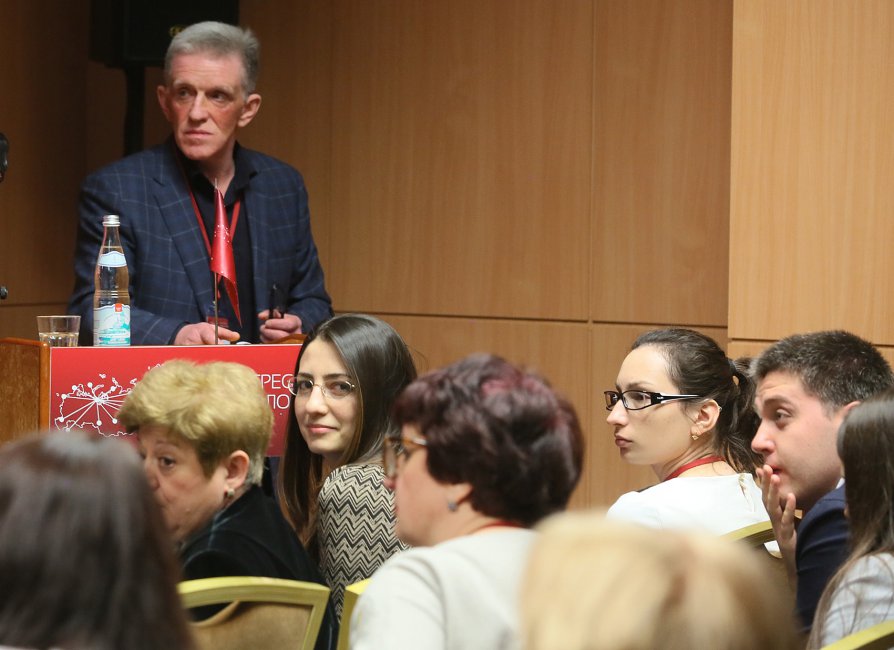
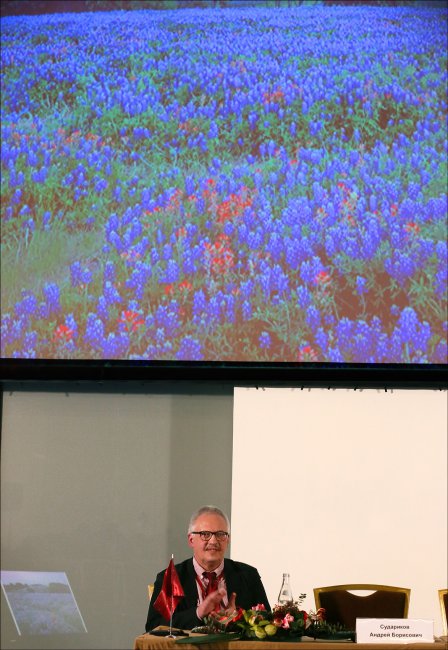
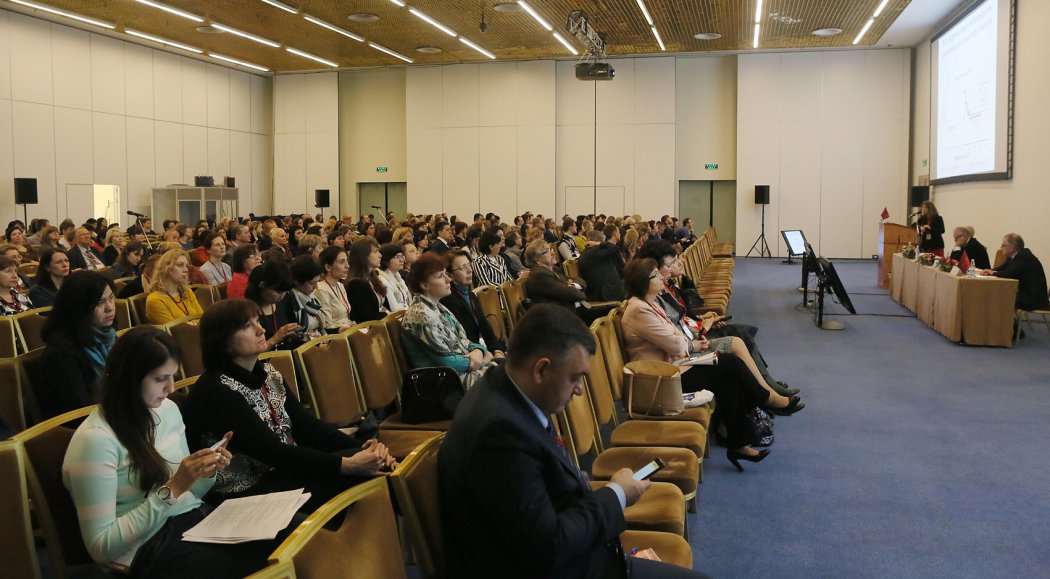
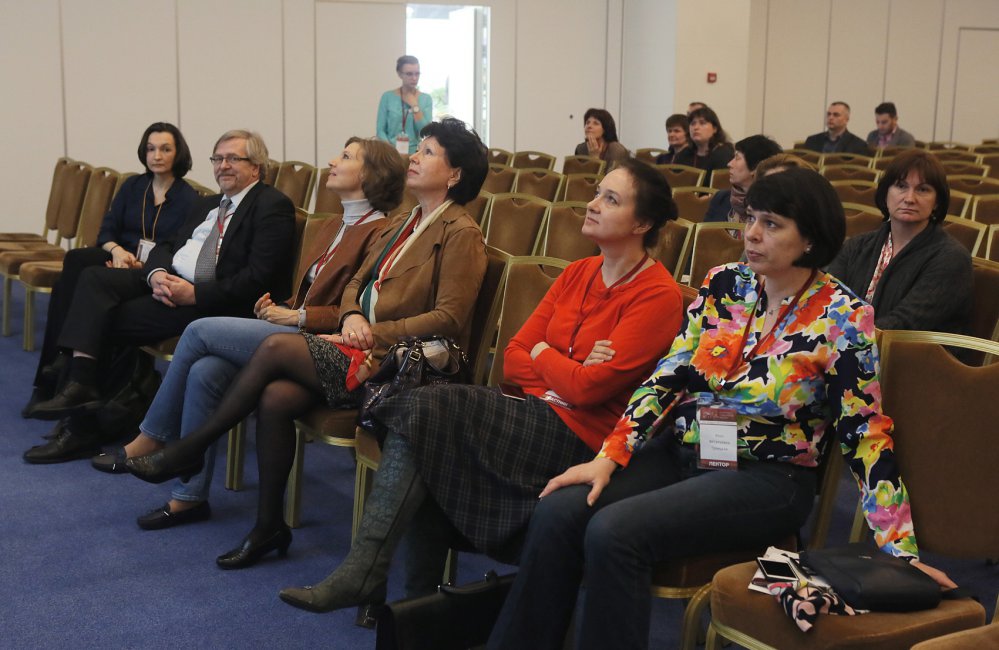
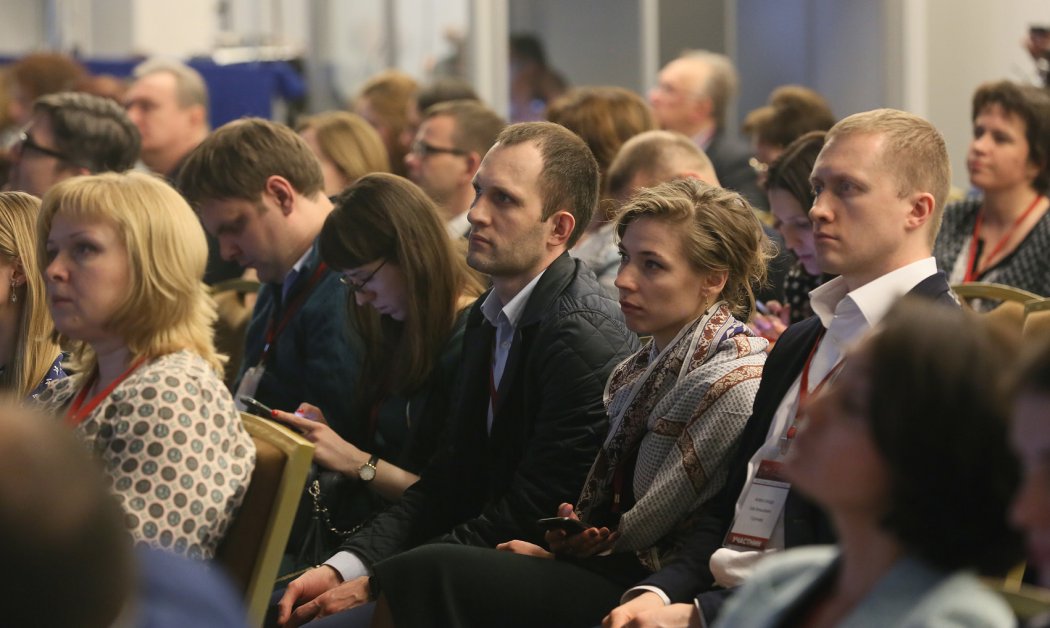
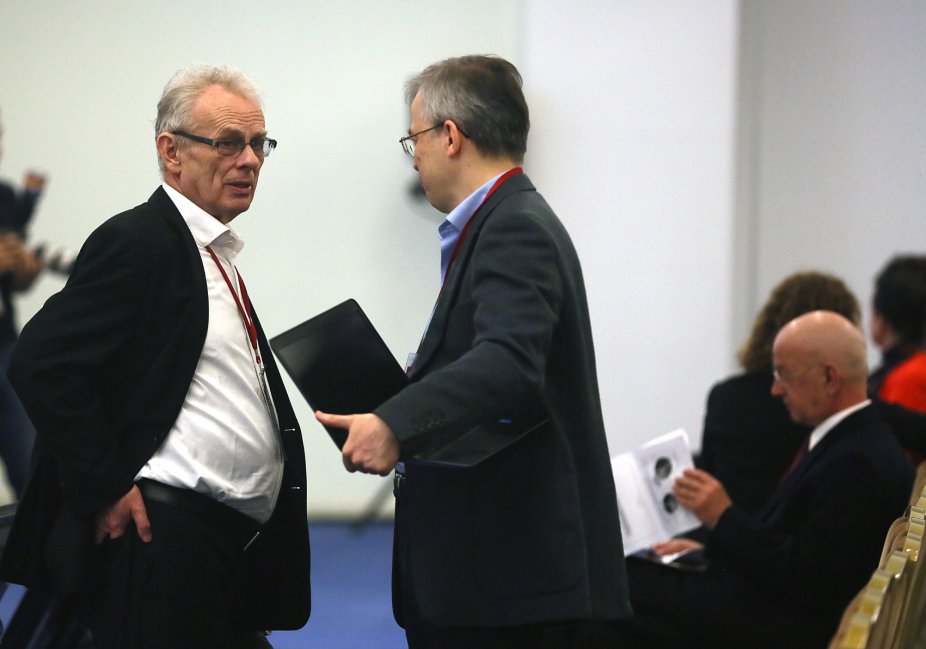
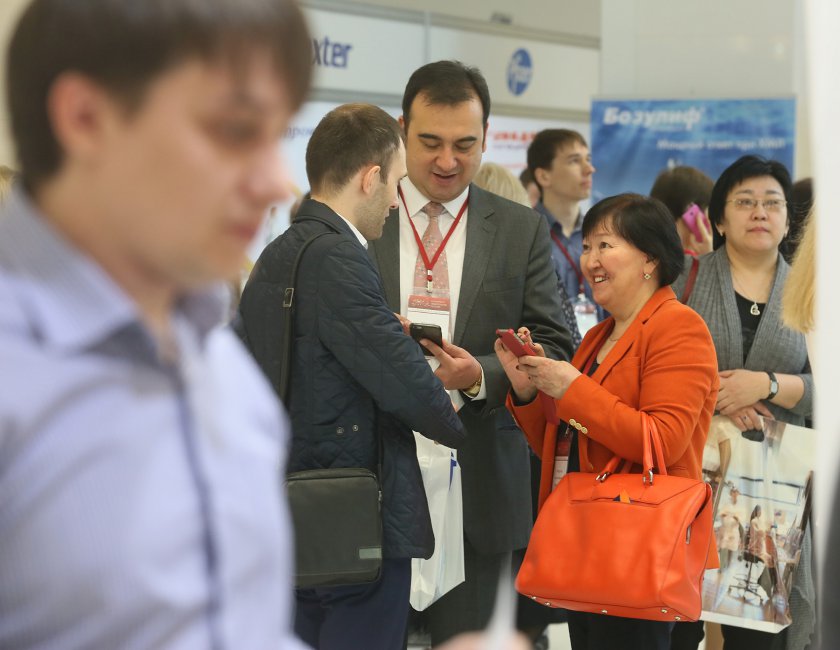
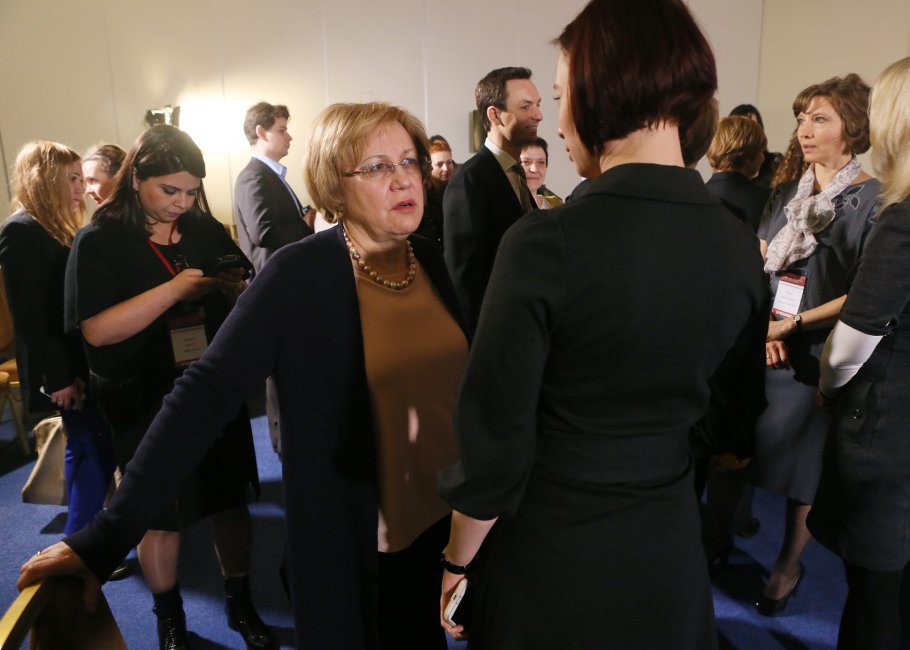
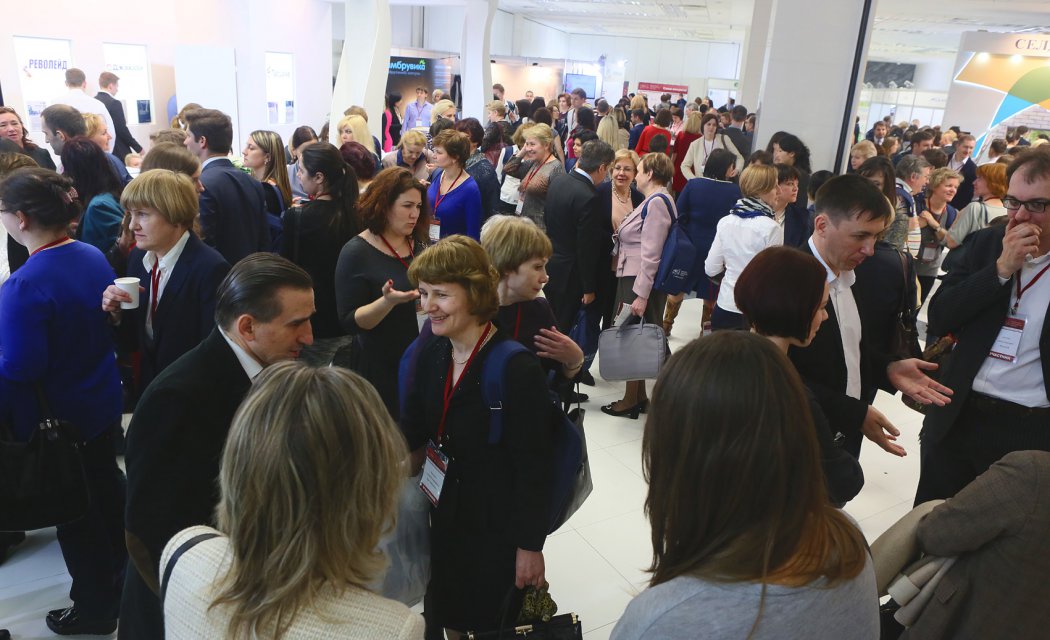
The number of Congress participants has increased one and a half times compared to the Second Congress of Hematologists of Russia held in 2014. 832 people registered online, and 760 people attended in person. There were 1,592 participants in total. Among the registered participants, 65% were hematologists, 10% were oncologists and 25% were doctors of related specialties, as well as pathomorphologists, geneticists, biologists, biophysicists, immunologists, mathematicians and others. The increase in the number of participants in the Congress serves as an indicative assessment of the increased and well-deserved interest in the results of scientific and clinical fundamental and applied research conducted by scientists and employees of the world's leading foreign and Russian federal centers together with regional specialists within the framework of multicenter long-term prospective projects and federal nosological registers of diseases of the blood system.
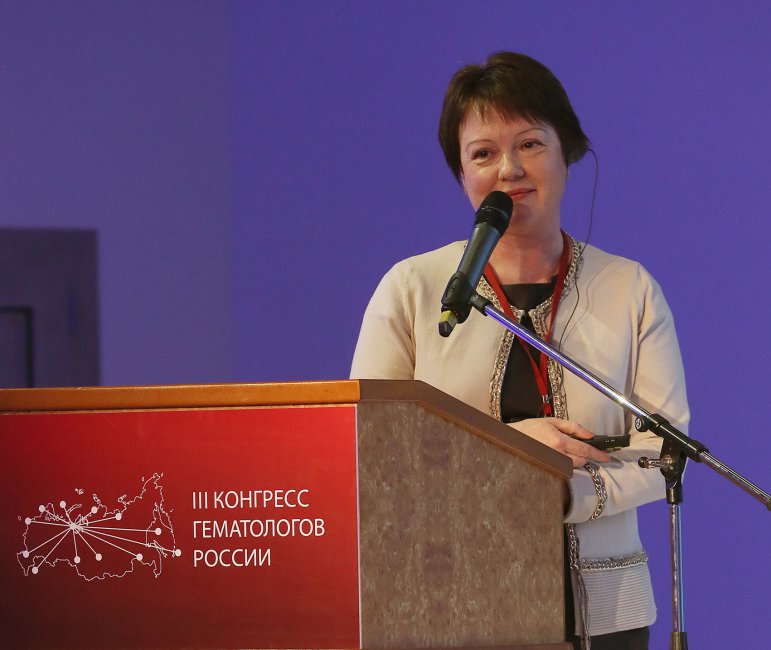
All of the plenary, breakout sessions, educational lectures, round tables, and symposiums of the Congress were of interest to the participants.
Traditionally (since 2014), joint meetings with the European Hematology Association (EHA) have been held on fundamental and applied areas of adult and pediatric hematology: differentiated therapy of acute and chronic leukemia, lymphoma, multiple myeloma, myeloproliferative diseases, immune thrombocytopenia, hematopoiesis depressions with PNH clone and orphan metabolic diseases and other nosological forms.
Also, the breakout sessions devoted to bone marrow pathology in the framework of differential diagnosis of tumor diseases of the blood system, transplantation of allogeneic and autologous hematopoietic stem cells, the search for new molecular targets for the creation of targeted drugs, intensive therapy of critical conditions in hematology, the creation and use of modified T-lymphocytes aimed at cells expressing certain tumor markers were distinguished by high activity and interest of the participants. No less interesting were educational lectures and breakout sessions on the modern treatment of infectious complications in oncohematology: bacterial, fungal and viral, including nosocomial etiology, disorders of coagulation hemostasis with an analysis of the current state and promising areas of research and clinical work.
Issues of comorbidity in oncology and hematology were actively discussed, especially for elderly patients and older age groups.
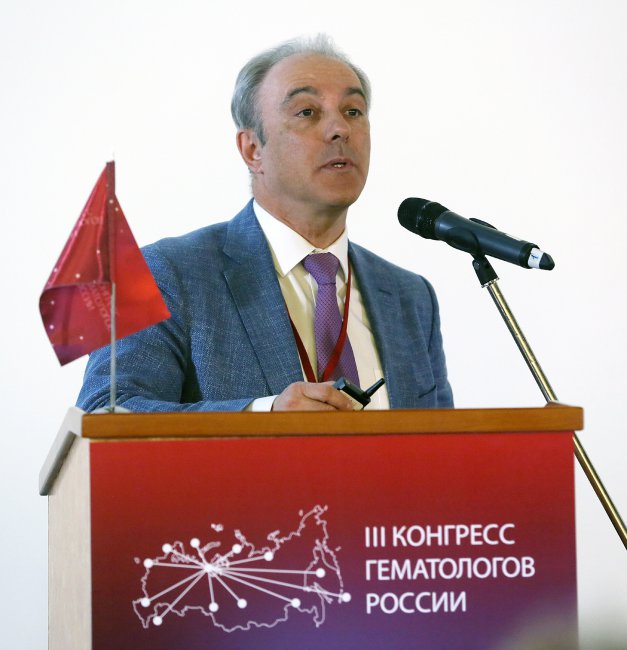
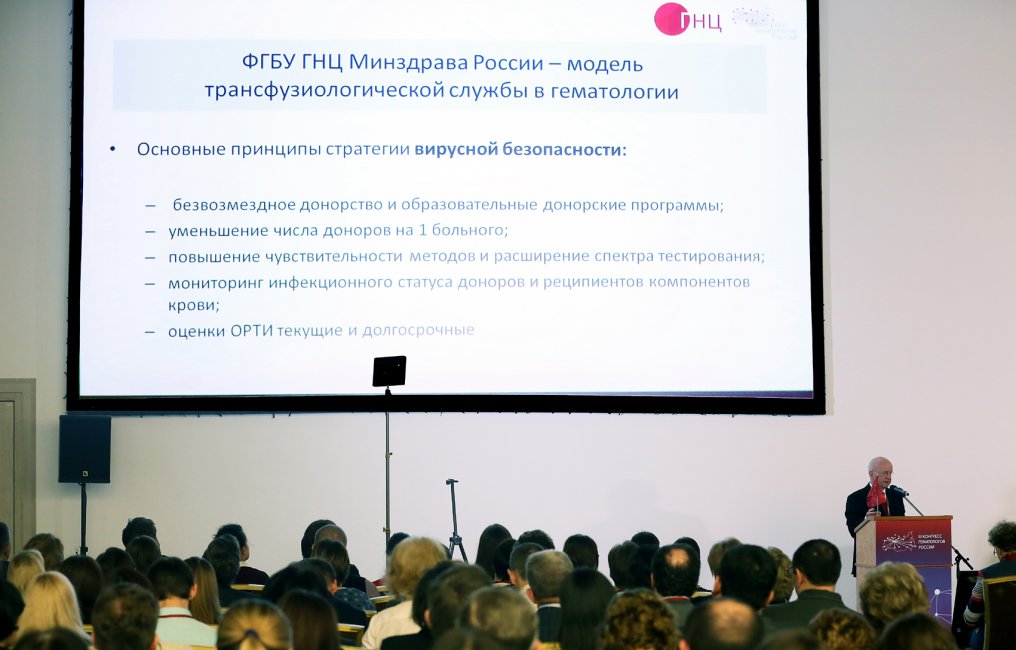
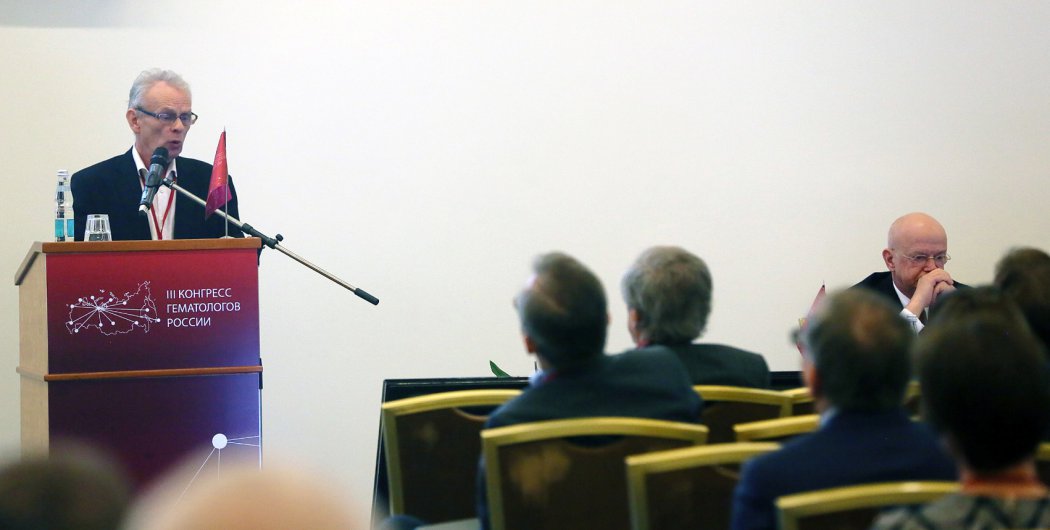
Many accomplishments have been achieved by the Hematology Research Center of the Ministry of Health of the Russian Federation in ensuring the viral safety of transfusions, due to the introduction of 100% gratuitous donation with a 10-20-fold reduction in the residual risk of transfusion infection with viruses of major hemotransmissive infections. The radical changes in the qualitative composition of the donor cohort were carried out by the blood service in a timely manner, which was emphasized in the program report on the practical implementation of scientific projects on transfusion safety of patients with diseases of the blood system by the General Director of the Hematology Research Center of the Ministry of Health of the Russian Federation, Academician of the Russian Academy of Sciences V.G. Savchenko.
Thanks to the coordinated work of the staff of the organizing committee of the Congress on the formation of scientific topics, taking into account the practical relevance and relevance of all sectional events held within the framework of the Congress, the auditoriums of the Congress were filled with participants.
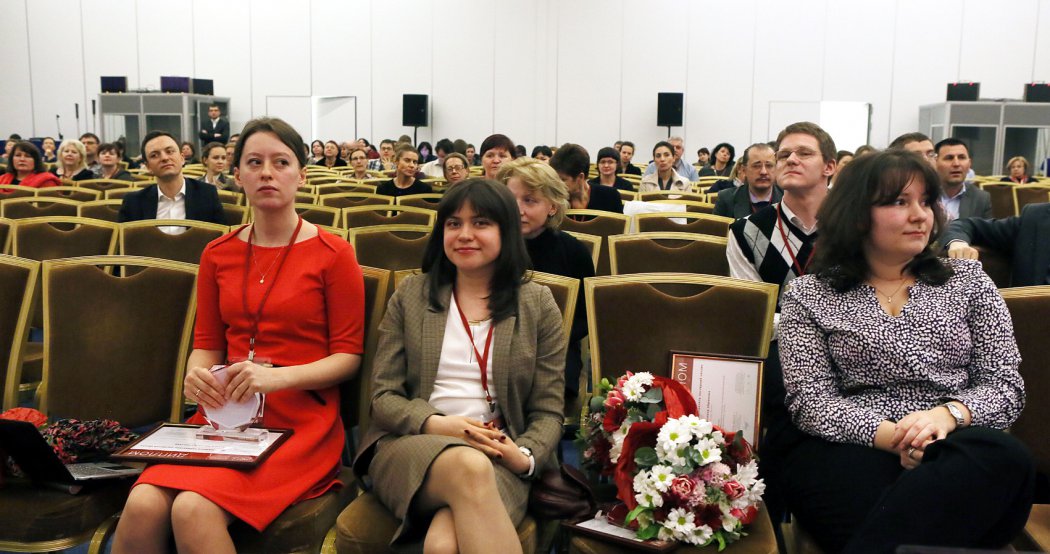
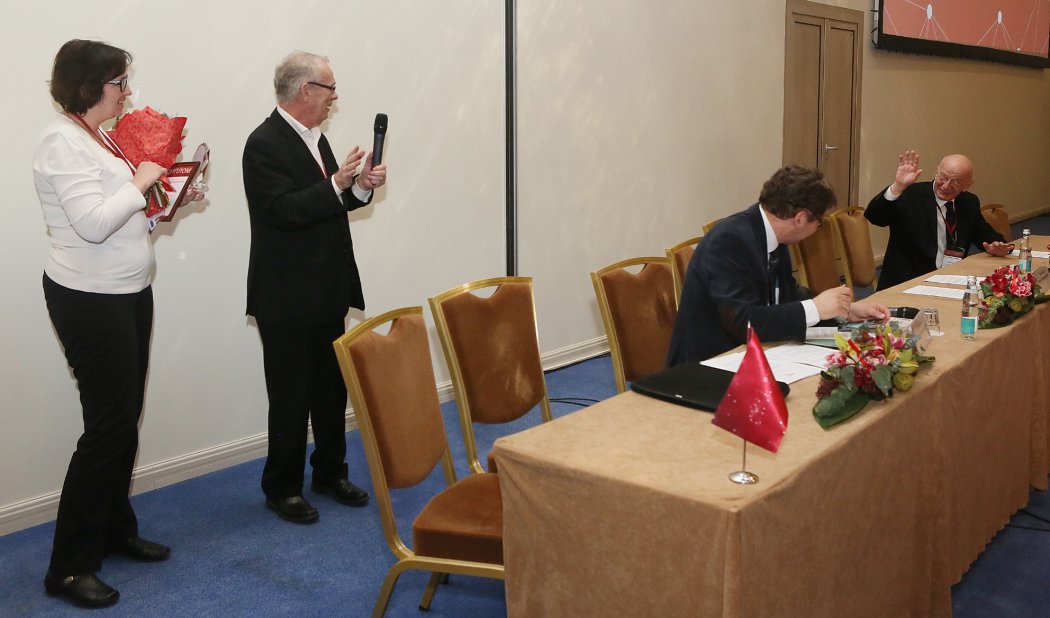
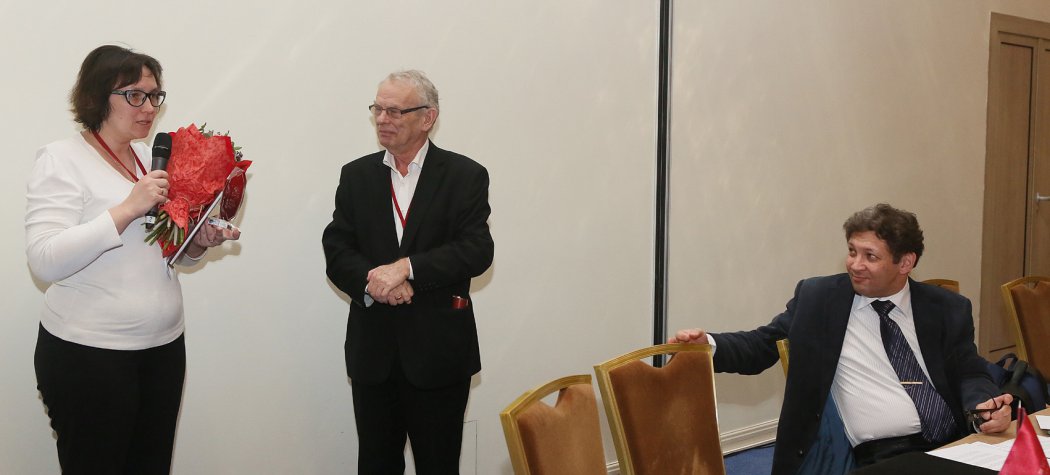
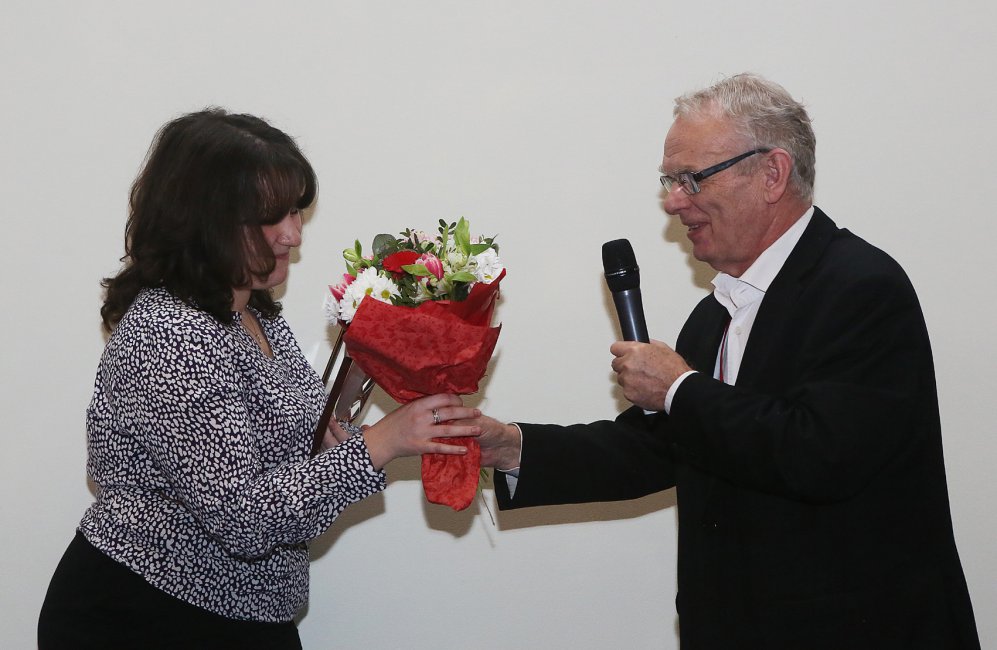
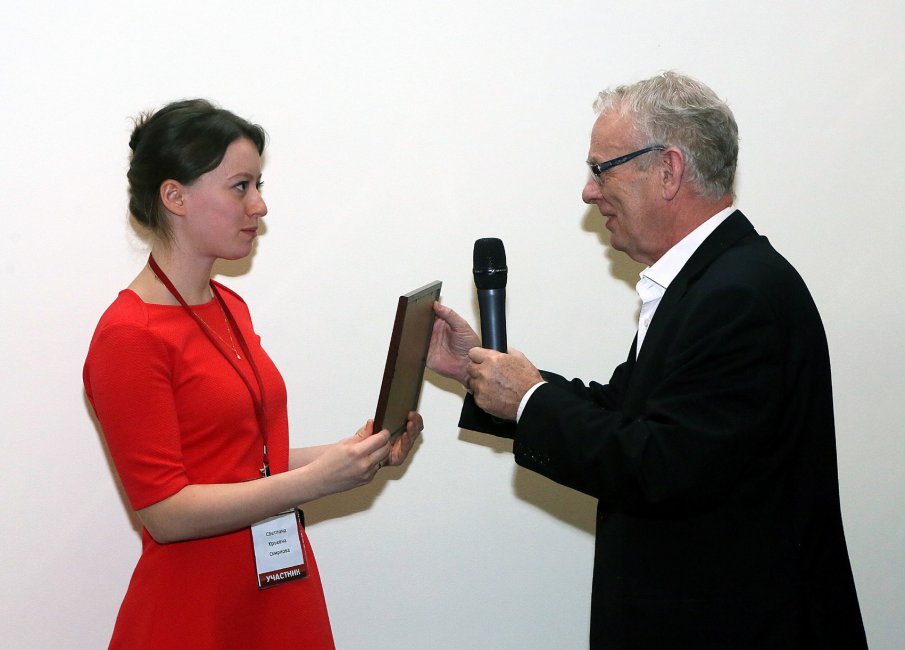
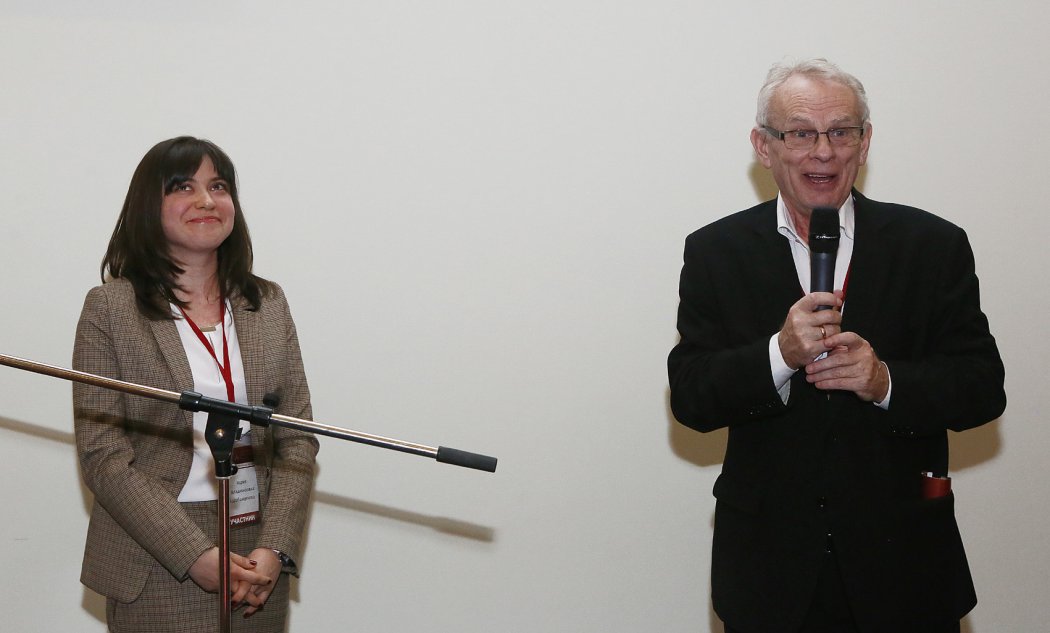
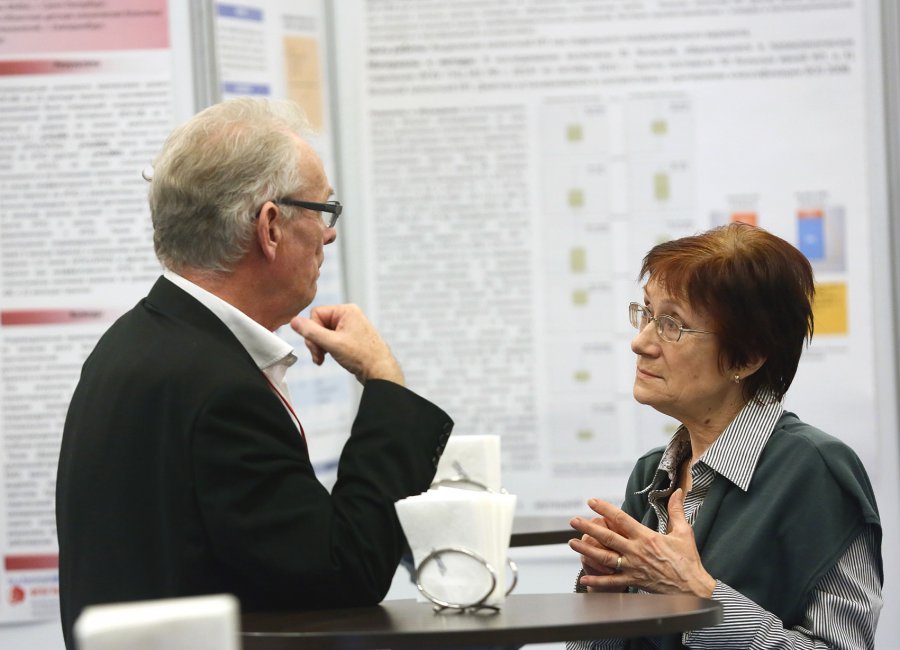
In total, the Organizing Committee of the Congress received more than 400 abstracts, of which the authors of more than 100 papers were invited to present poster presentations. During all three days, a specially organized Expert Commission worked to select the best poster presentations, which were solemnly awarded with awards and the opportunity to speak at the closing of the III Congress of Hematologists of Russia.
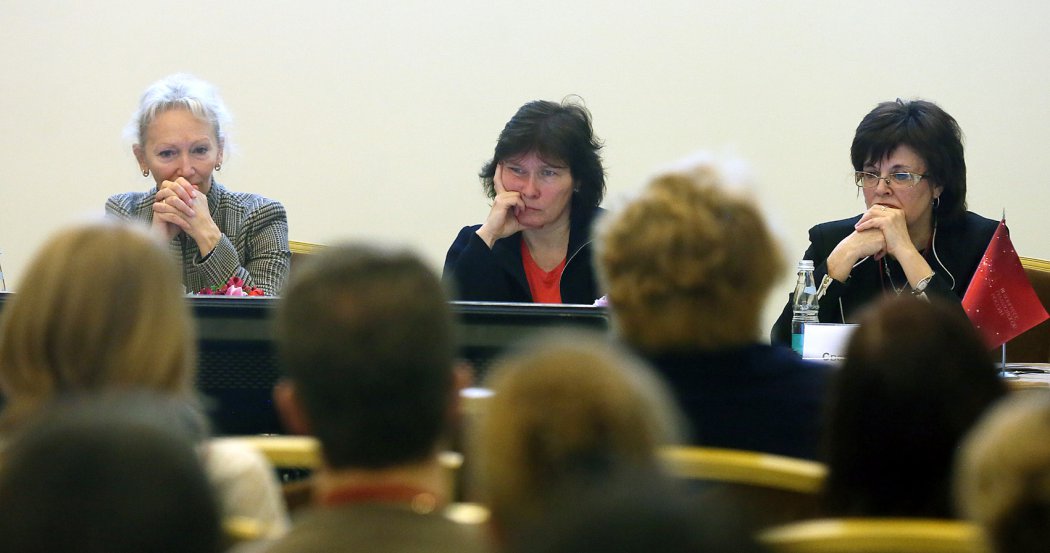
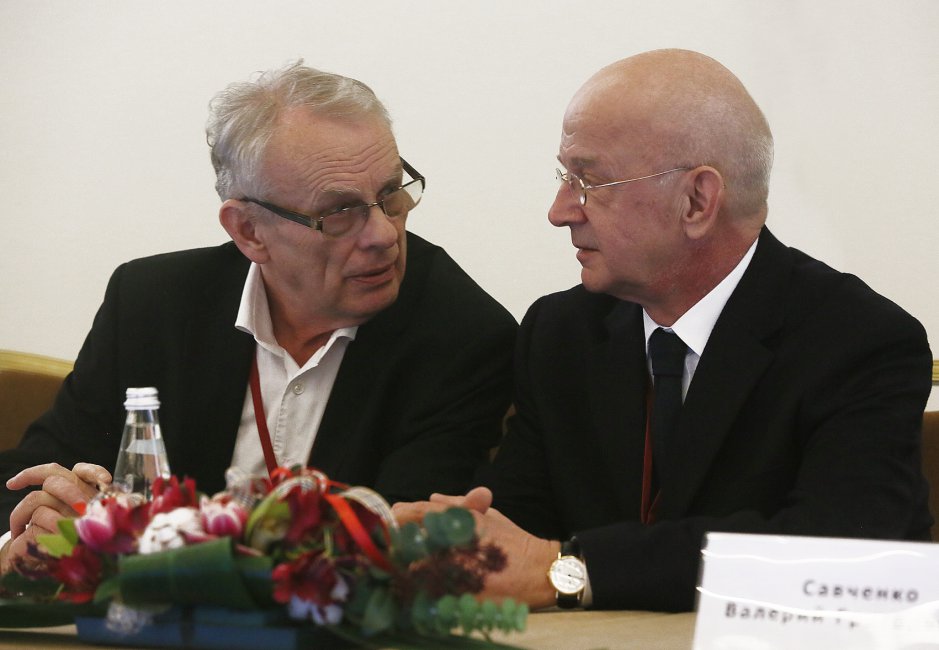
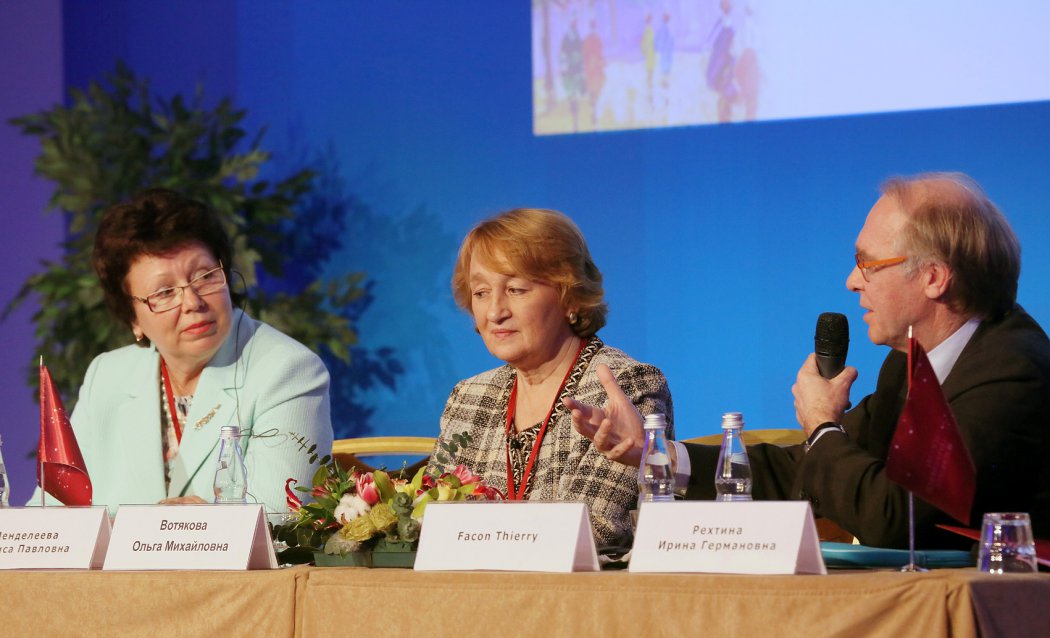
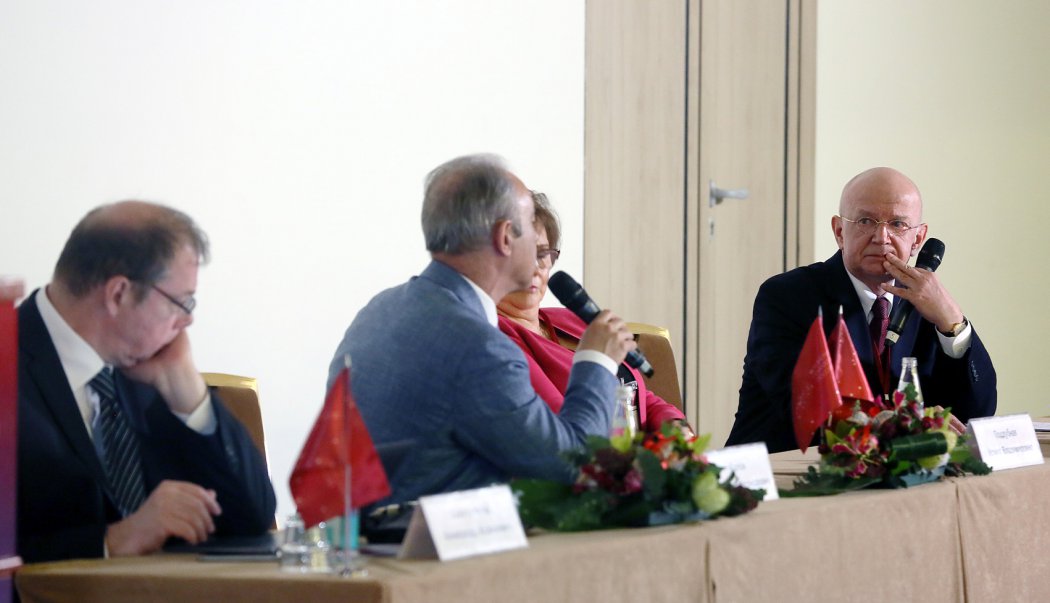
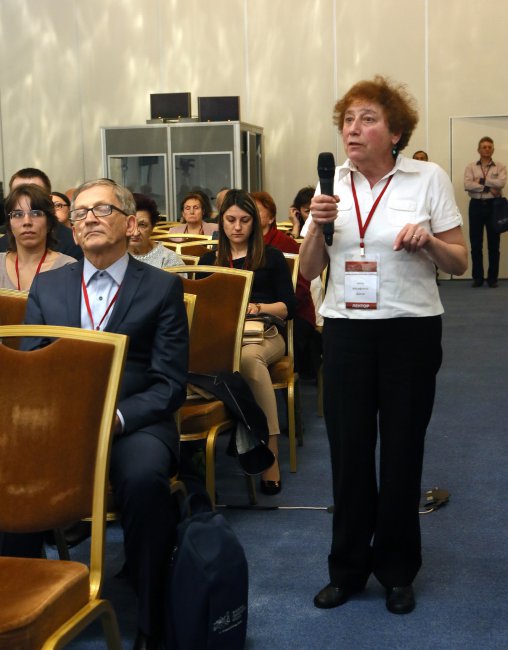
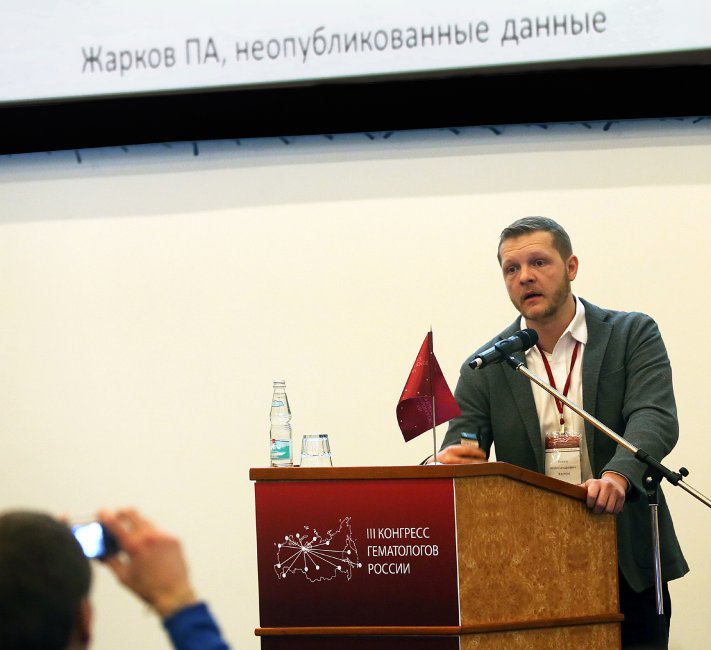
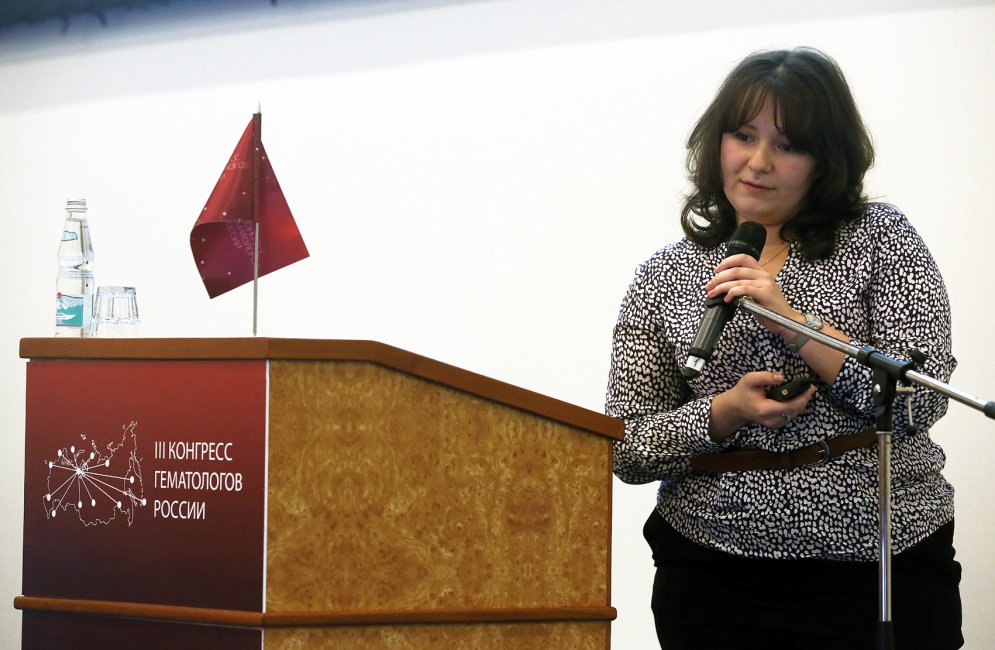
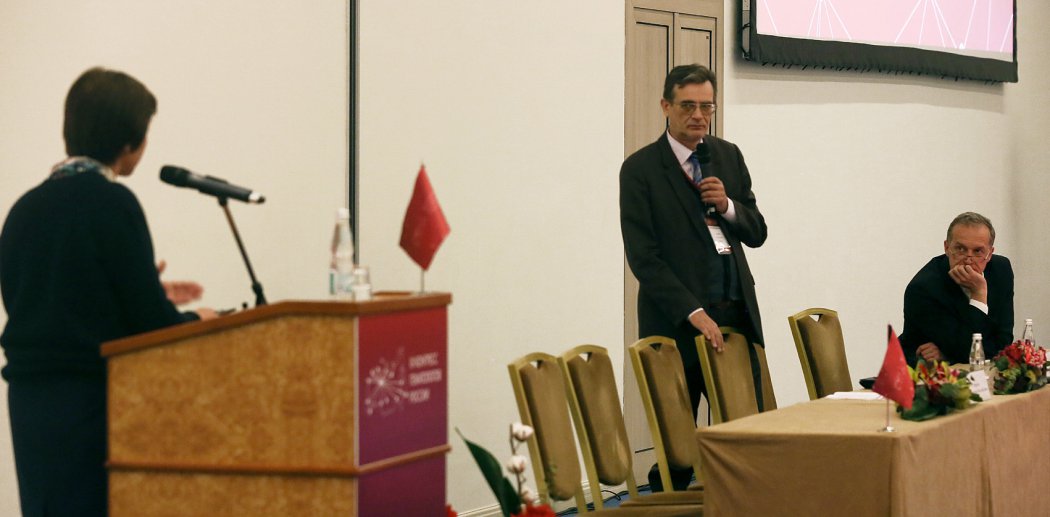
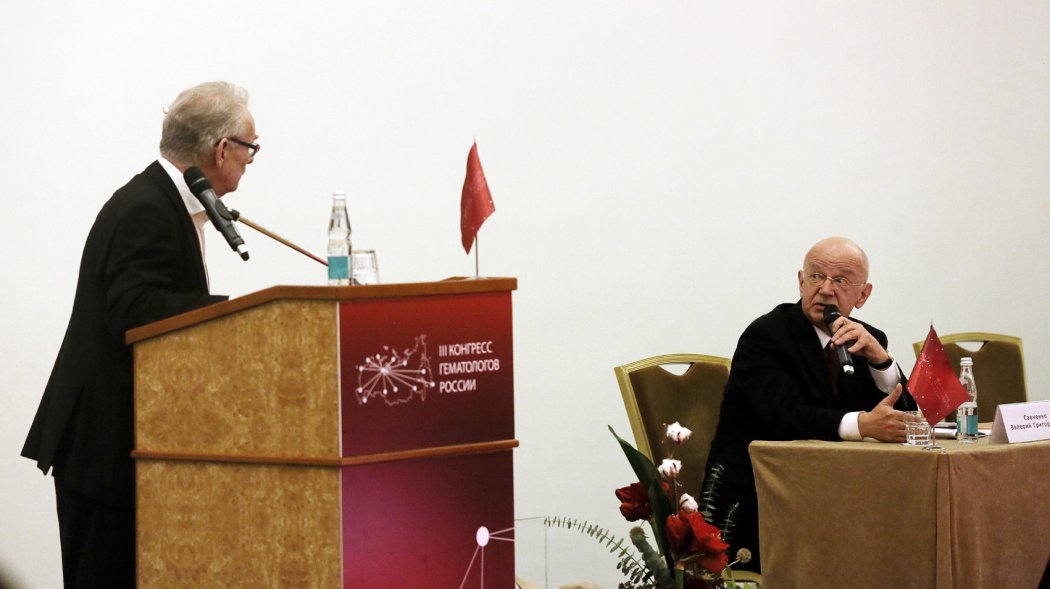
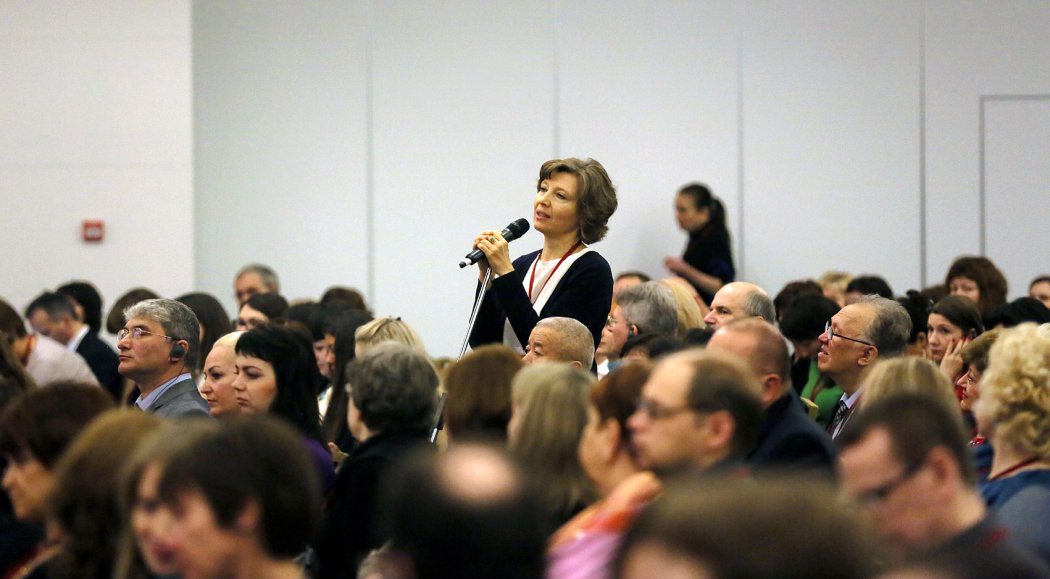
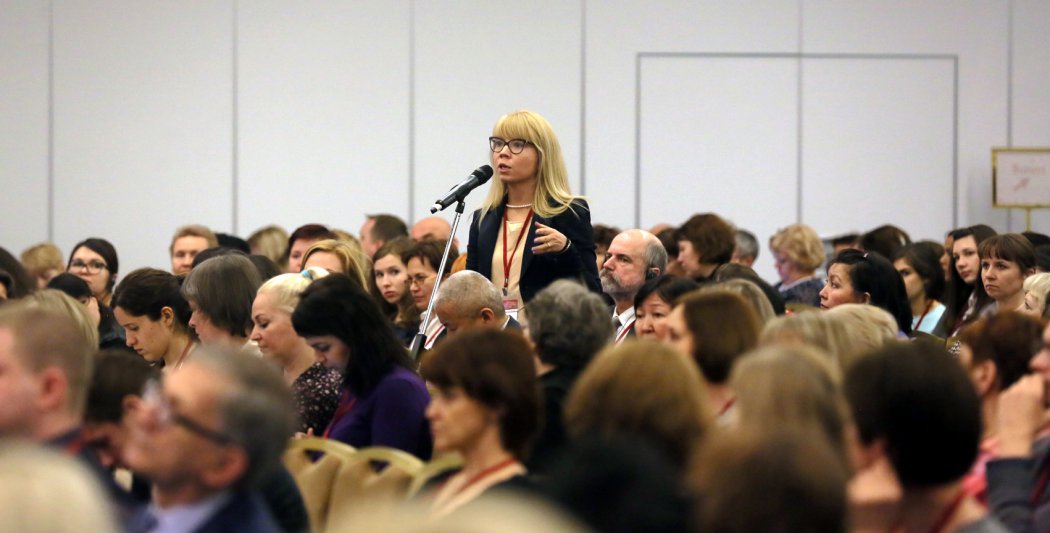
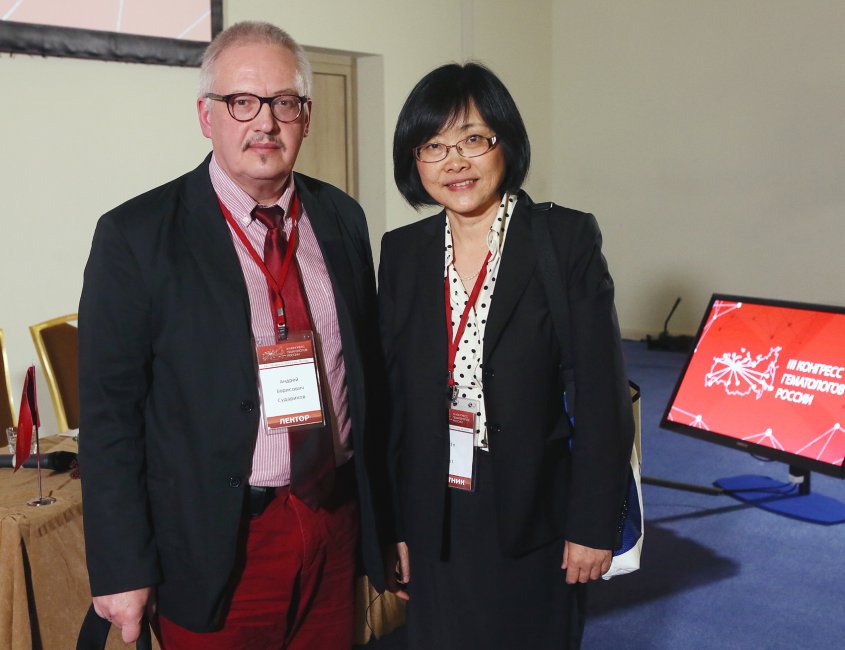
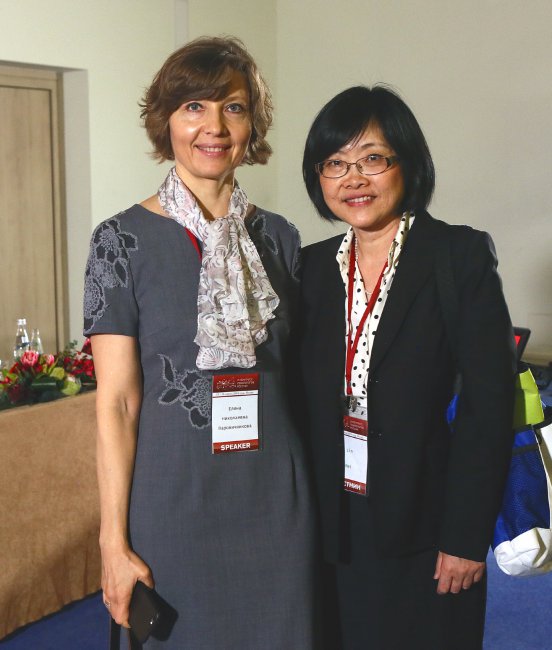
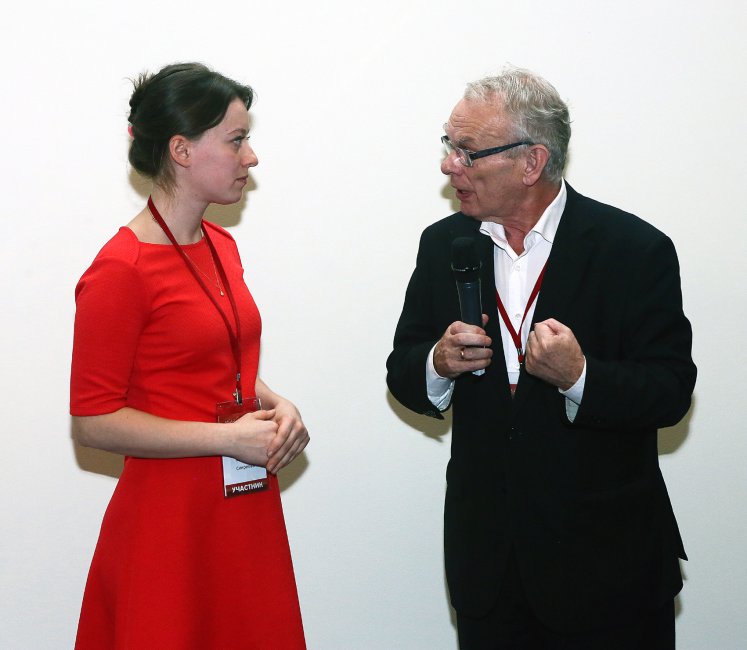
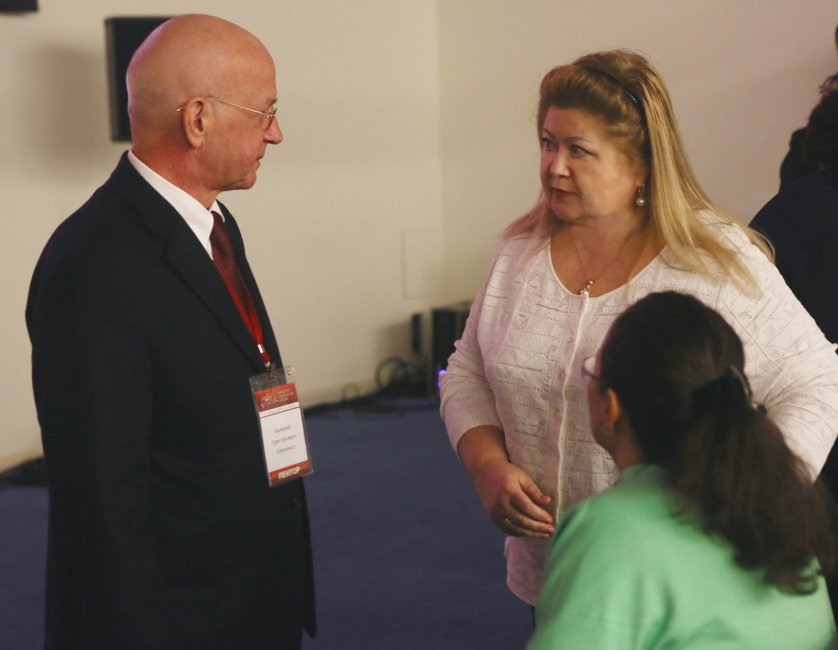
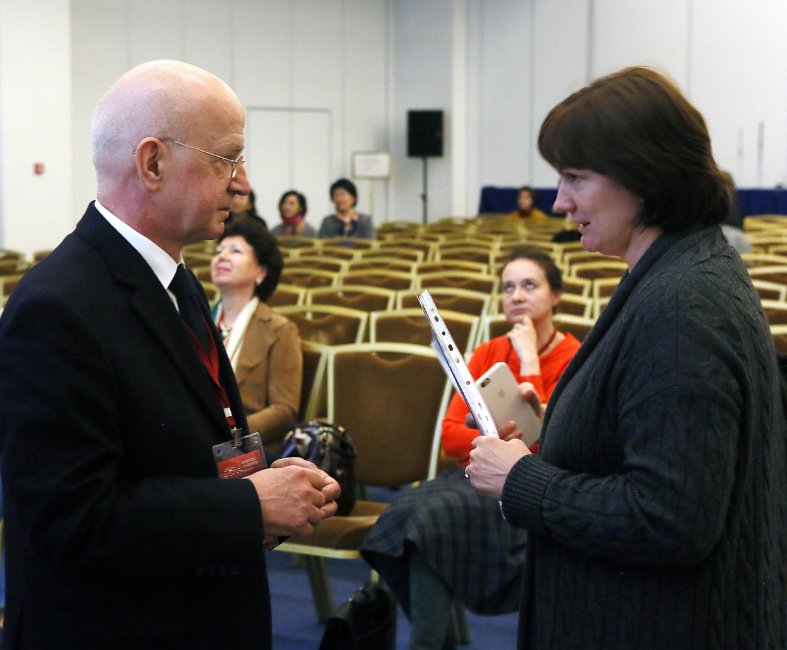
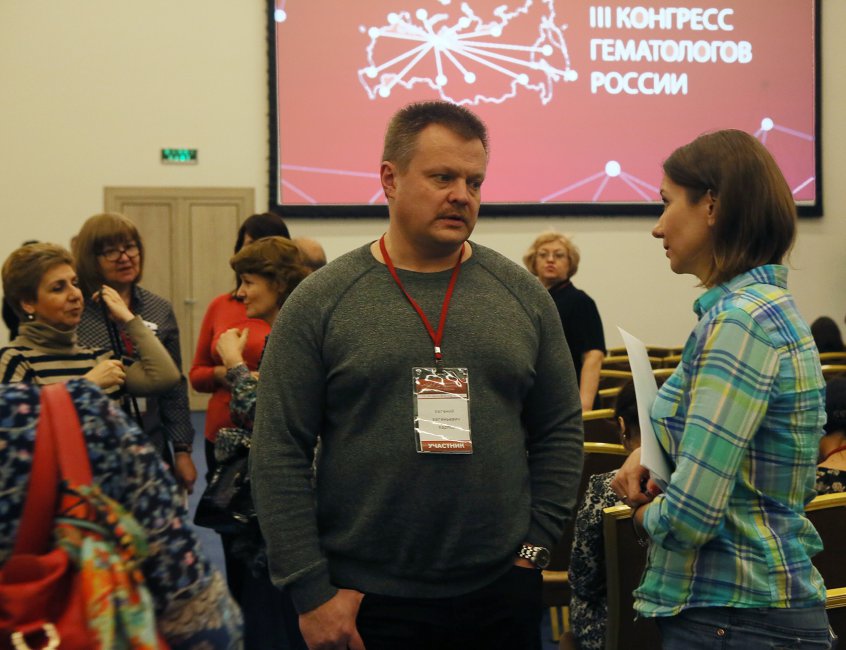
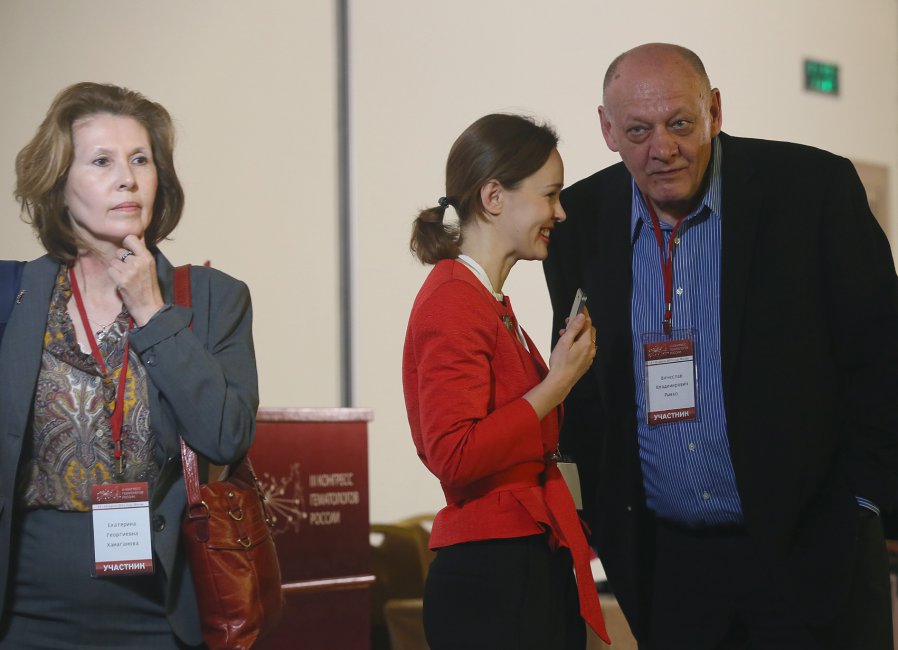
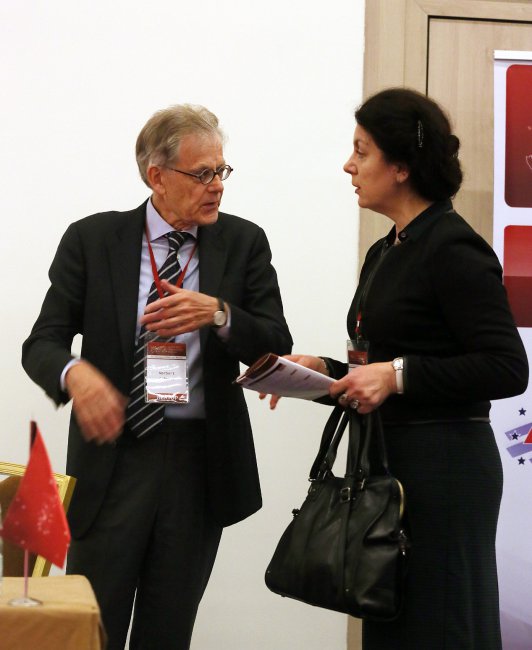
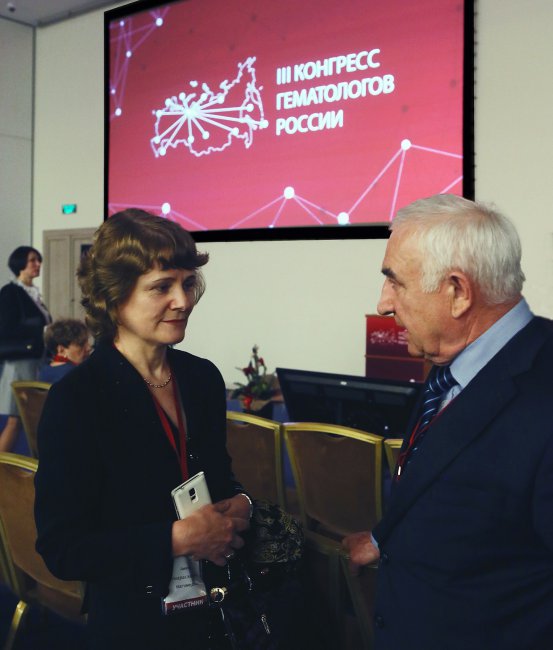
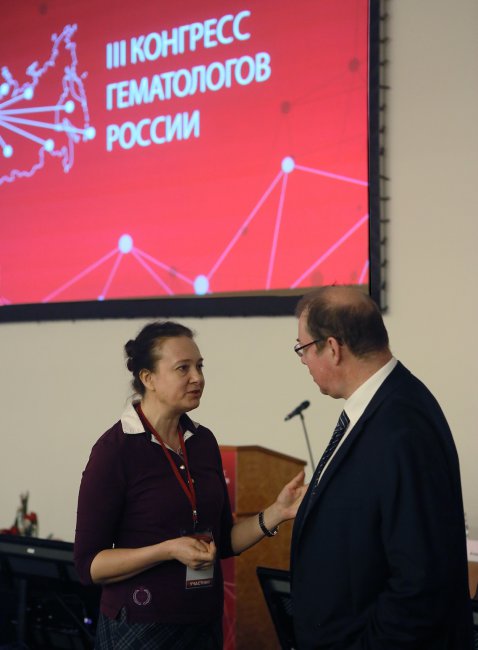
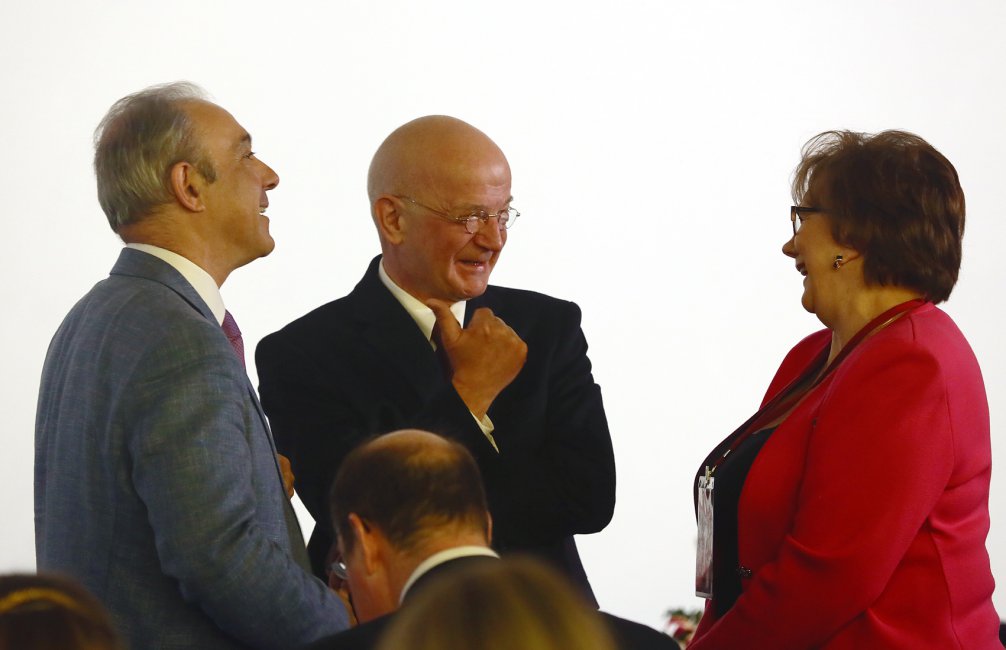
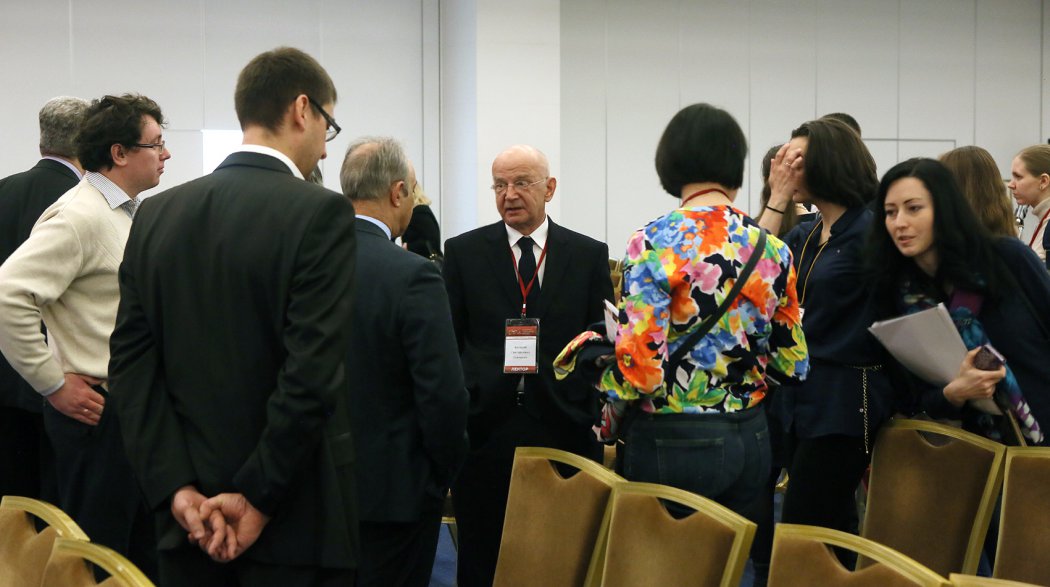
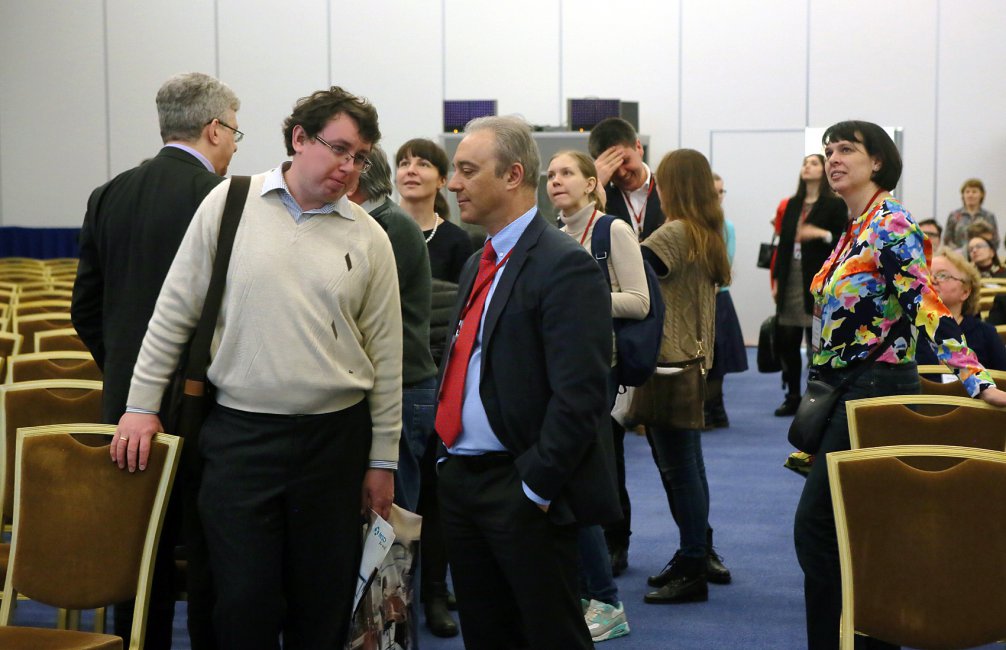
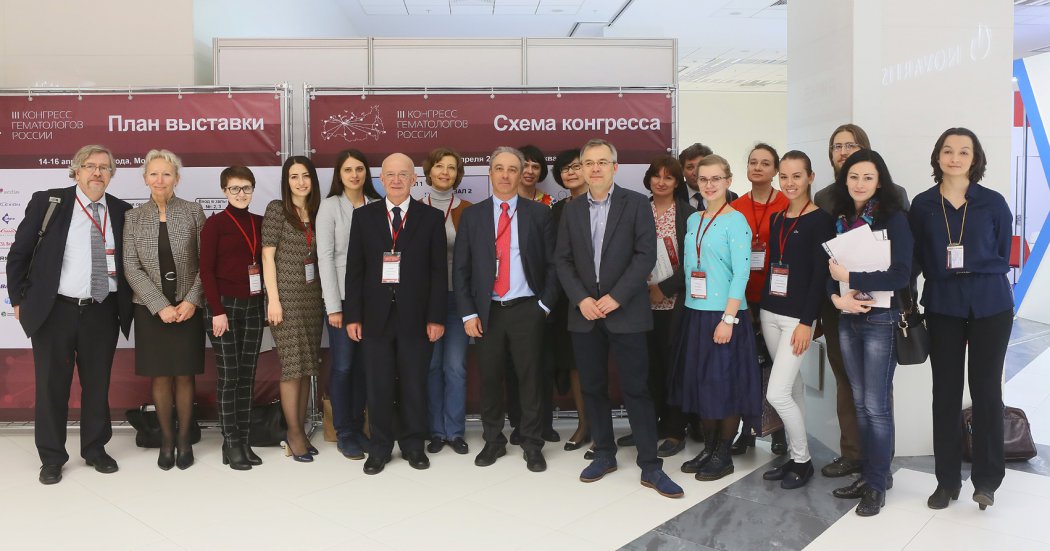
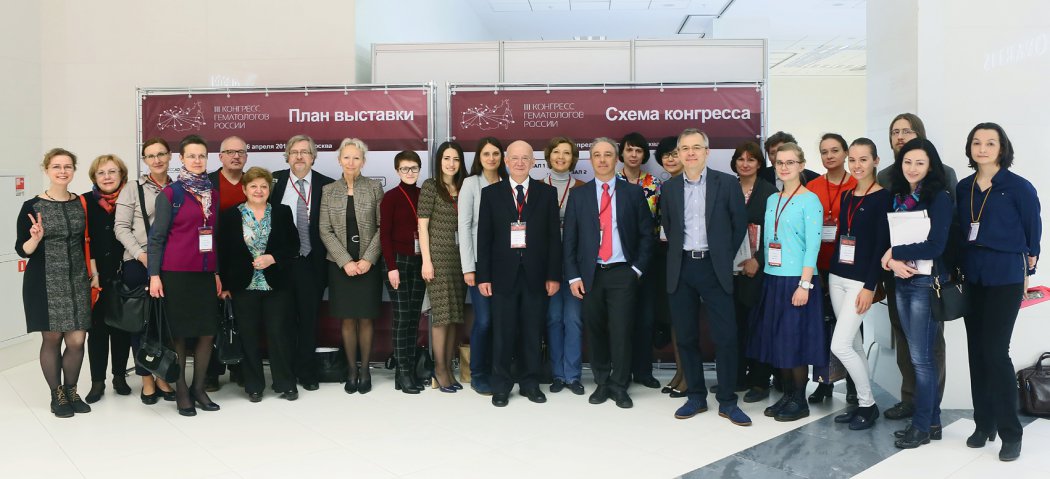
Photos of the III Congress of Hematologists


- Patients